Why a Safari is the Most Educational Holiday You Can Give Your Child
By Katie Wormald | Kate on Safari | Wild Wisdom | Raising Wild-Hearted Children | Life in the Bush
An educational safari for kids is, in our house, simply life. My children have been on safari hundreds of times – literally from birth.
They have grown up inside iSimangaliso Wetland Park, one of Africa’s greatest wilderness areas. They have a father who has worked in conservation with WWF and Wildlife Act, monitoring black rhino and tracking wildlife across KwaZulu-Natal. The bush is not a holiday destination for them – it is just an average day.
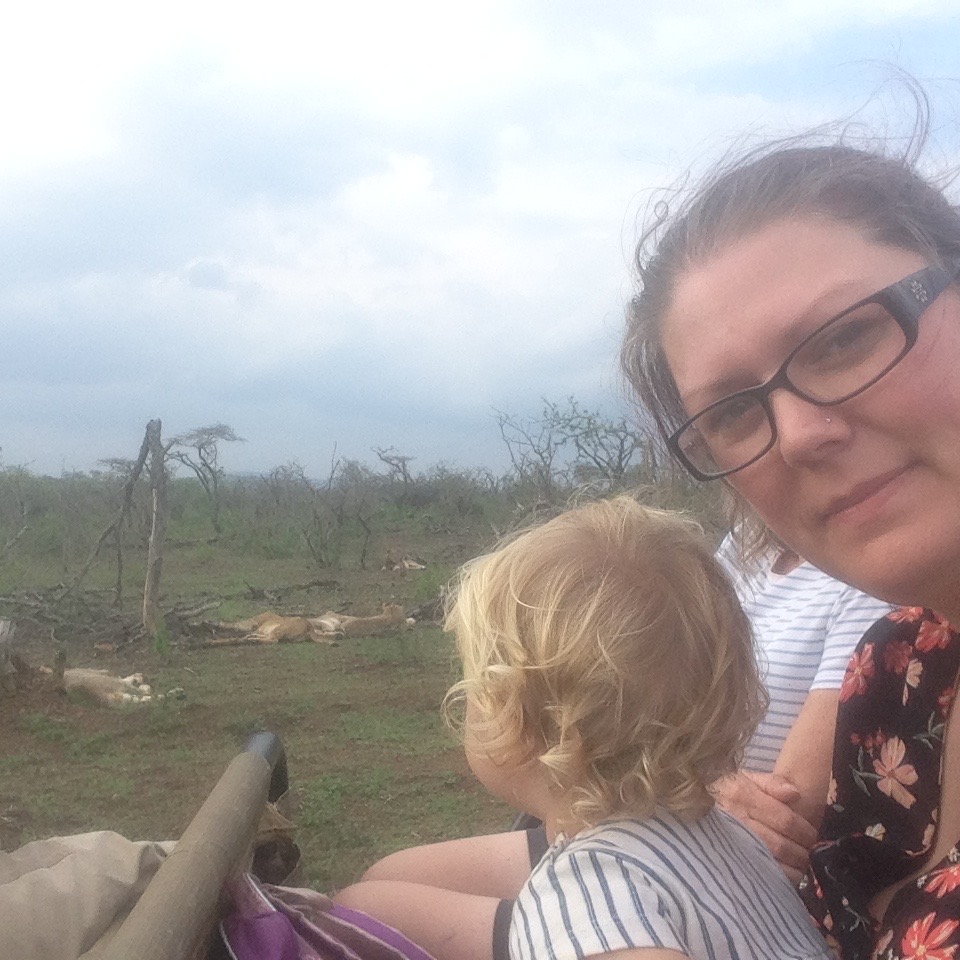
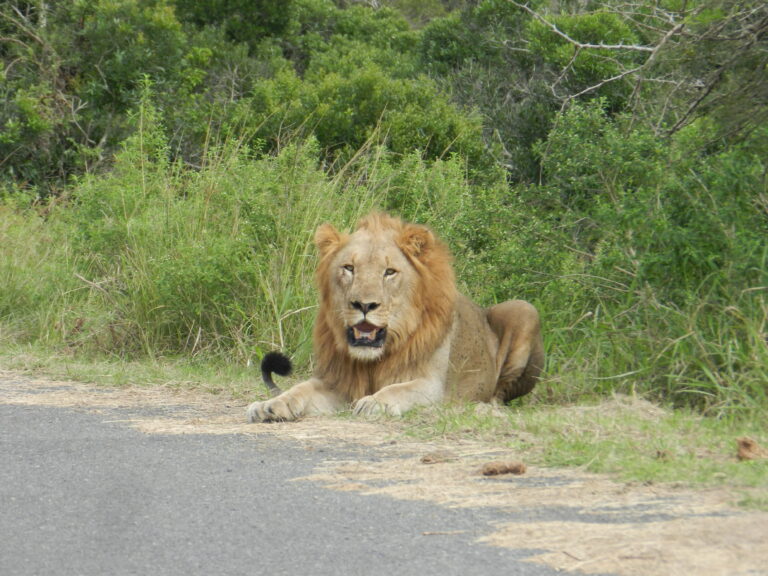
And yet. Every single time we round a corner and find a lion sitting in the road, something happens in that vehicle that I will never tire of watching. Three children who know exactly what a lion is, who have studied lion behaviour, who can tell you a lion’s roar carries five miles – those same children go completely silent and completely still. Their eyes go wide. Nobody breathes.
No matter how many times they have seen it, it still does something to them that nothing else does.
That, I think, is what a safari gives a child that no classroom, no documentary, no wildlife park, and no other holiday on earth can replicate. Not information. Not entertainment. Something older and more important than either of those things.
Wonder. Real, unscripted, uncontrollable wonder.
What Happens on an Educational Safari for Kids – The Science Behind the Magic
I spent eight years as a paediatric nurse and health visitor before moving to KwaZulu-Natal. I understand child development from both a clinical and a deeply lived perspective. And I can tell you with complete confidence that what happens to children on safari is not just magical – it is developmentally significant.
Experiential learning – learning through real, lived experience rather than instruction – is one of the most powerful forms of education available to a child. When a child watches a elephant pull a tree from the ground with her trunk, reads about elephant strength in a field guide that evening, and then tells someone about it three weeks later at school, they have encoded that knowledge in a way that no worksheet, no video and no textbook ever could.
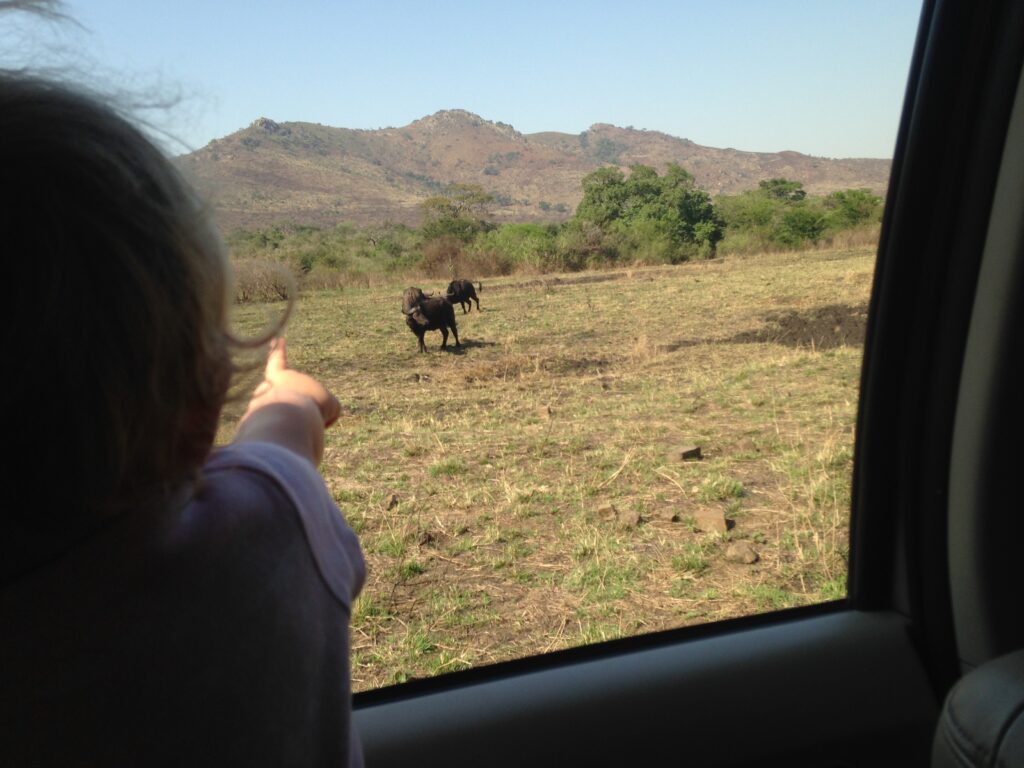
Safari is experiential learning at its most potent. Every sense is engaged simultaneously. The child is not a passive observer – they are inside the experience, making observations, asking questions, forming connections. Furthermore, because the experience is emotionally charged – because there is genuine awe involved – the memory is laid down more deeply and retained for longer.
This is not a theory. It is how human brains are built to learn. And Africa, with its extraordinary cast of real, wild, living animals, is the greatest classroom on earth.
The Educational Safari for Kids Broken Down
Science – real, living, breathing science
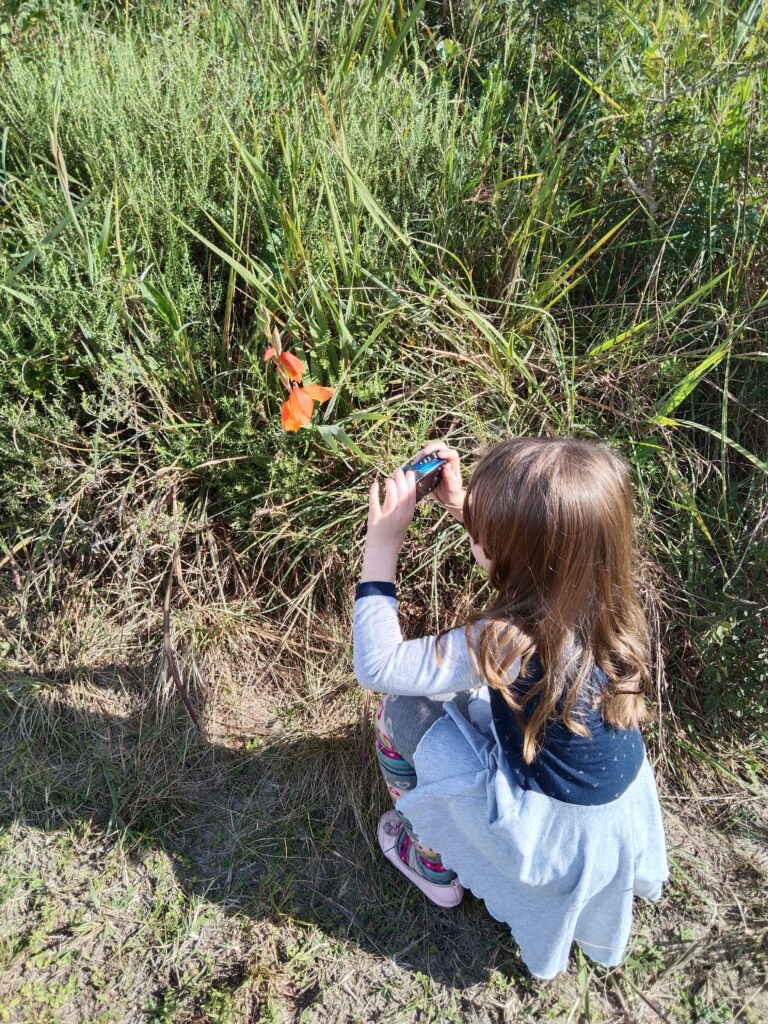
On a single game drive a child might observe predator-prey relationships, animal communication, ecosystem interdependence, camouflage, migration patterns and the water cycle – all without being taught any of it directly. The learning happens through observation and question, which is the most natural and effective form of science education that exists as we discovered during the City Nature Challenge.
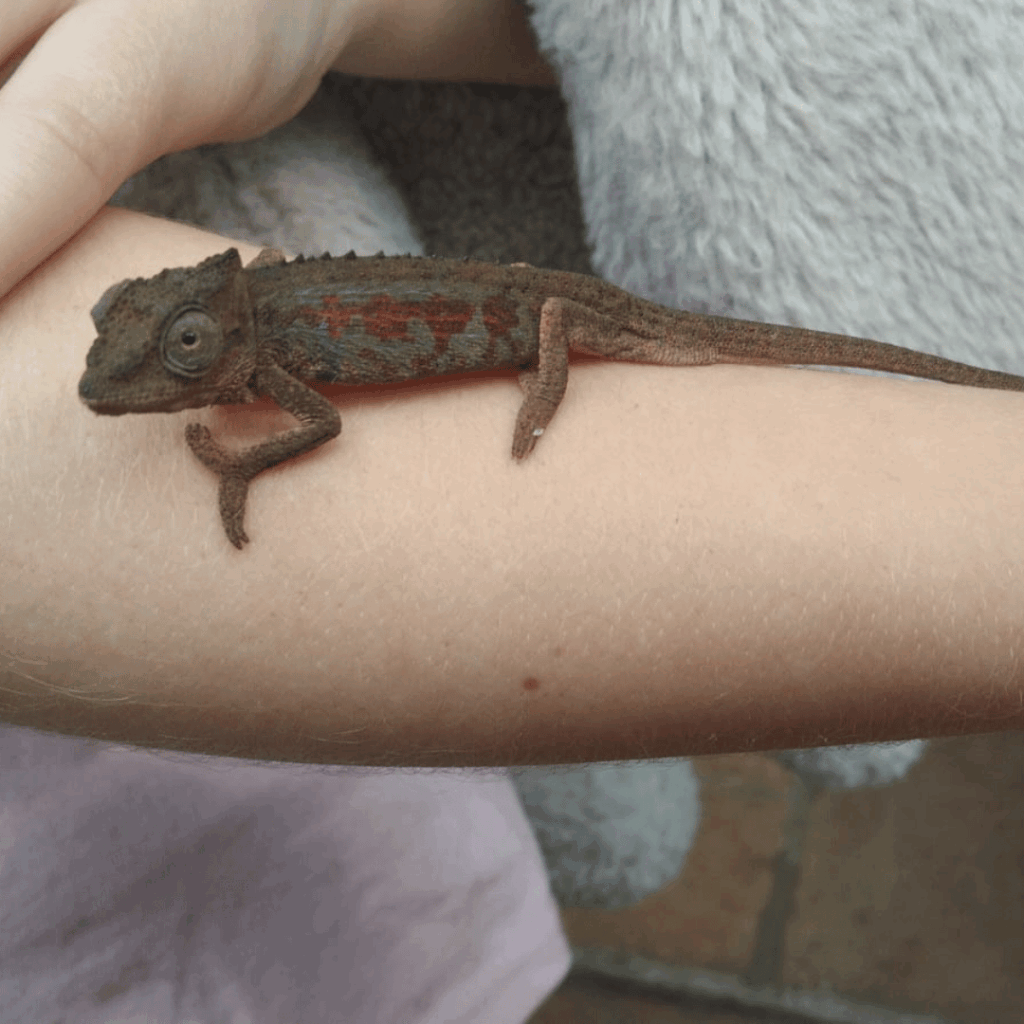
My eldest learned more about biology on one morning watching a chameleon flick its eyes 360 degrees and change colour to match its surroundings than in a full term of primary school science. He didn’t know he was learning. He was too busy watching.
Emotional intelligence and empathy
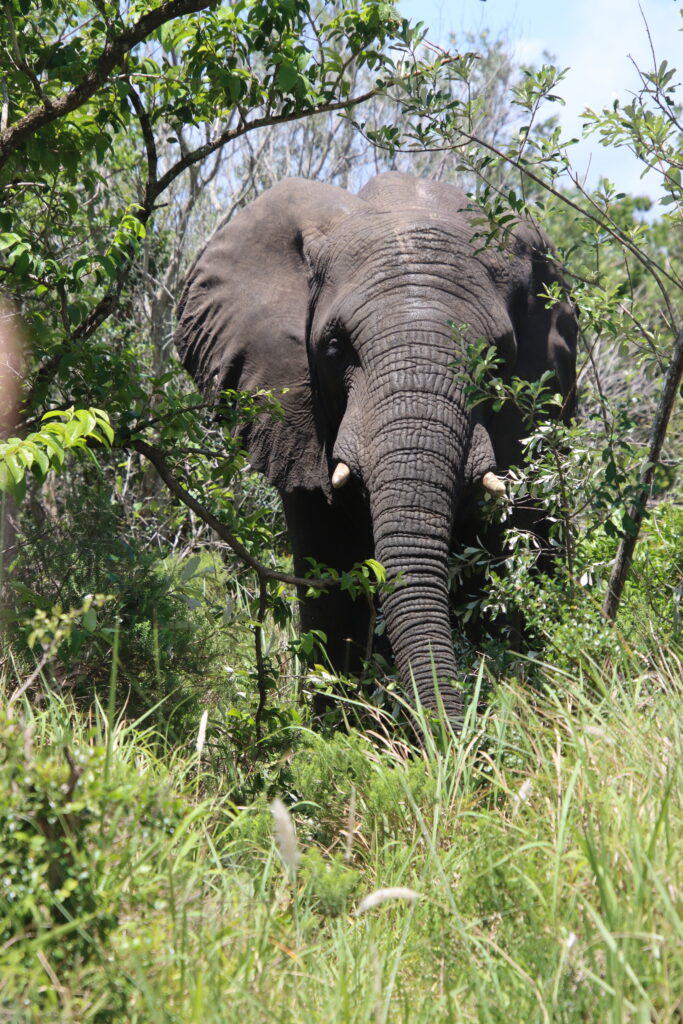
There is something that happens when a child watches a elephant herd move together – the way the matriarch leads, the way the younger ones stay close, the way the whole group responds when one of them is distressed. Children feel it instinctively before they can articulate it. They recognise family, care and loyalty.
Animals in the wild teach children about emotion in a way that is completely non-threatening and deeply absorbing. In my experience, children who spend time observing wild animals develop a more natural capacity for empathy – not because anyone told them to feel it, but because they saw it in action. This is one of the most underrated aspects of an educational safari for kids – the emotional development that happens simply through observation.
Conservation awareness – the kind that sticks
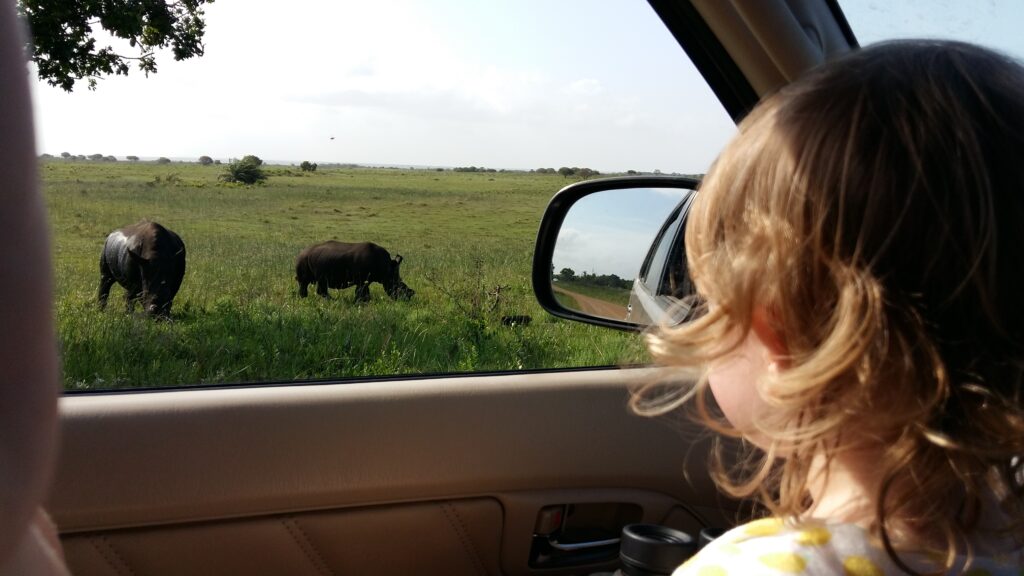
A child who has sat fifty metres from a white rhino and watched her graze peacefully in the golden light of an African morning will never be indifferent to rhino poaching. Not because someone explained the crisis to them. Because they met her.
They become the adults who vote, donate, choose, and act in ways that protect the natural world. And it all starts with one educational safari for kids and one unforgettable encounter.
This is the difference between knowing about conservation and caring about it. Safari creates the emotional connection that turns information into conviction. And children who feel that conviction carry it into adulthood. They become the adults who vote, donate, choose, and act in ways that protect the natural world.
Patience and presence
Safari teaches children to wait. To be still. To look carefully at one thing for a long time rather than moving immediately to the next. In a world that is specifically designed to fracture children’s attention, this is an extraordinarily valuable skill – and one that children learn naturally on safari because the reward for patience is always worth it.
The lion appears around the corner. The leopard drops from the tree. The elephant walks to within touching distance of the vehicle. Children learn very quickly that stillness and patience are not boring – they are the price of admission to something extraordinary.
An educational safari for kids teaches patience in a way no classroom activity can replicate.
The art of asking questions
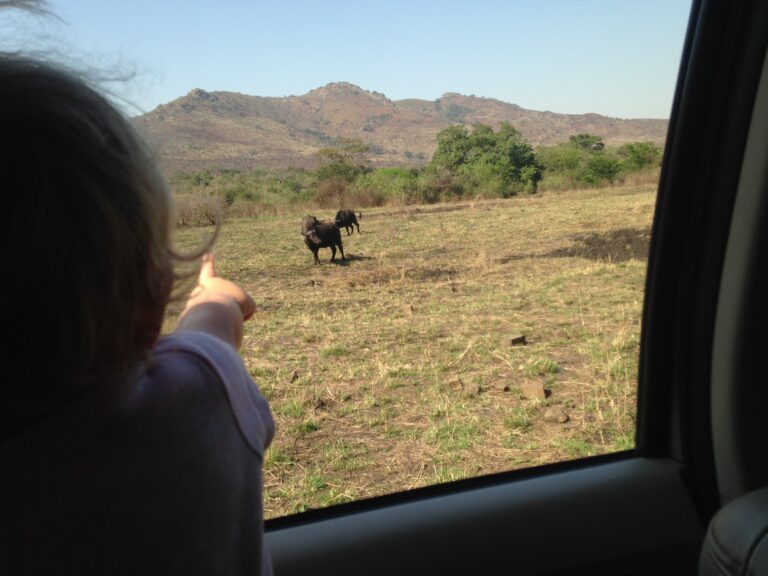
On safari, children ask more questions per hour than in almost any other environment. Why does the giraffe have such a long neck? How does the hippo stay underwater so long? Why are zebras striped? Can a cheetah really run that fast?
These are not questions prompted by a teacher. They arise naturally, urgently, from genuine curiosity – which is exactly how the love of learning is supposed to begin. Furthermore, on safari those questions get answered in real time, by a knowledgeable guide, in the presence of the actual animal. That combination is almost impossible to replicate anywhere else.
Does Age Matter for an Educational Safari for Kids?
This is the question I am asked most often by UK families planning their first trip, and the answer is simpler than most people expect: earlier than you think.
Children as young as three and four respond to an educational safari in ways that genuinely surprise their parents. They may not retain every fact or understand every behaviour – but they feel the experience. The scale of an elephant. The silence of the bush. The particular quality of light at six in the morning when everything is still.
Those sensory memories stay. And they form the foundation that later knowledge builds on.
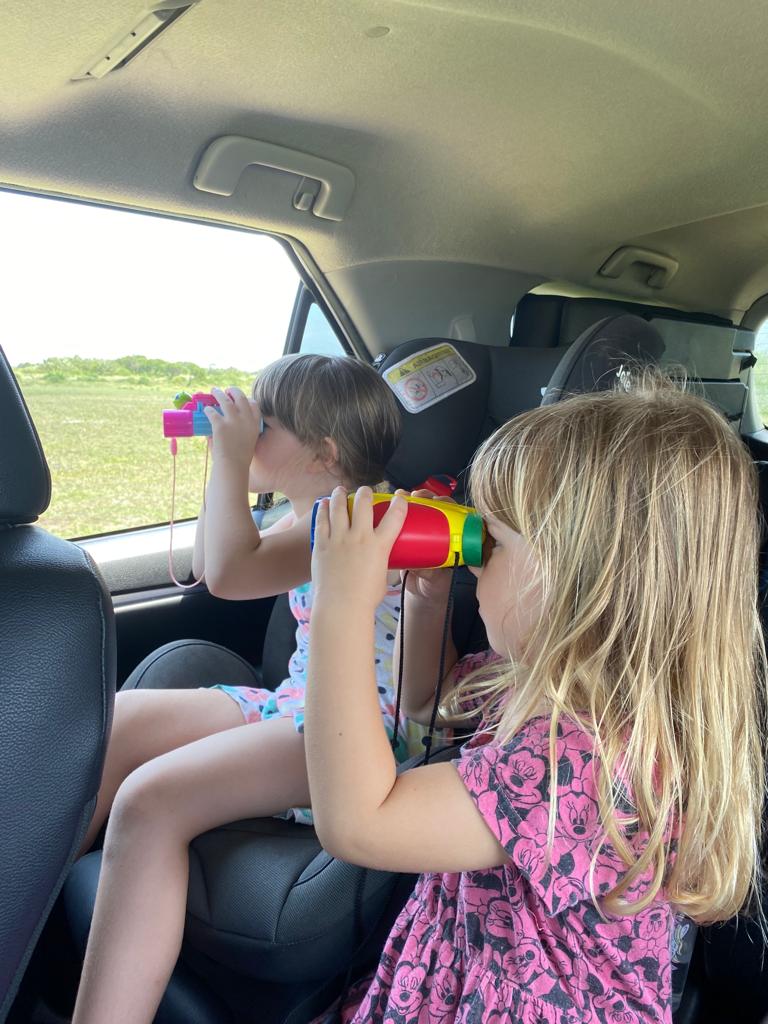
For families with children aged five and above, a guided safari in a good reserve is one of the most rewarding family travel experiences available anywhere in the world. Children in this age group are ready to engage actively – using binoculars, asking questions, identifying animals in field guides, contributing to the experience rather than just receiving it.
For teenagers, safari can be genuinely life-changing. The combination of wilderness, conservation context and real-world complexity – of understanding that these animals are threatened, that the ecosystems they live in are fragile, that the decisions humans make directly affect whether these species survive – hits differently at fifteen than it does at five. Both are valuable. Both are real.
What to Expect on a First Family Safari – A Practical Guide
If you are planning your first educational safari for kids and have no idea where to start, here is what I would tell you as someone who lives inside a game reserve and has been doing this with children for years.
Choose a malaria-free reserve if your children are young.
South Africa has excellent malaria-free options, including the greater KwaZulu-Natal reserves. This means no medication and no additional health concerns to manage alongside everything else.
Go in the dry season.
In KwaZulu-Natal that means May through September. Animals concentrate around water sources, vegetation is lower, and sightings are more frequent and more dramatic. This is consequently the best time for families with children who need regular rewarding sightings to stay engaged.
Book a guided experience.
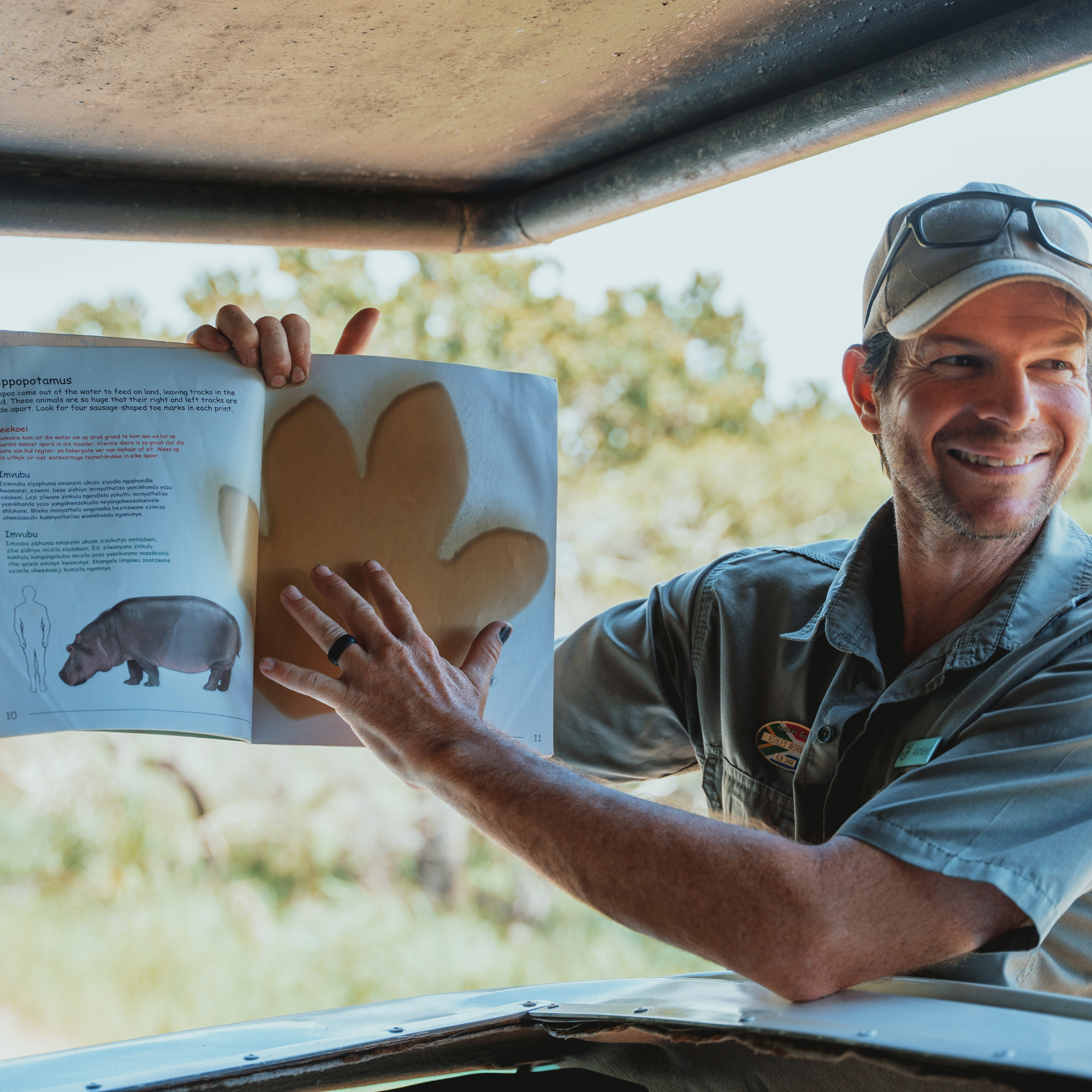
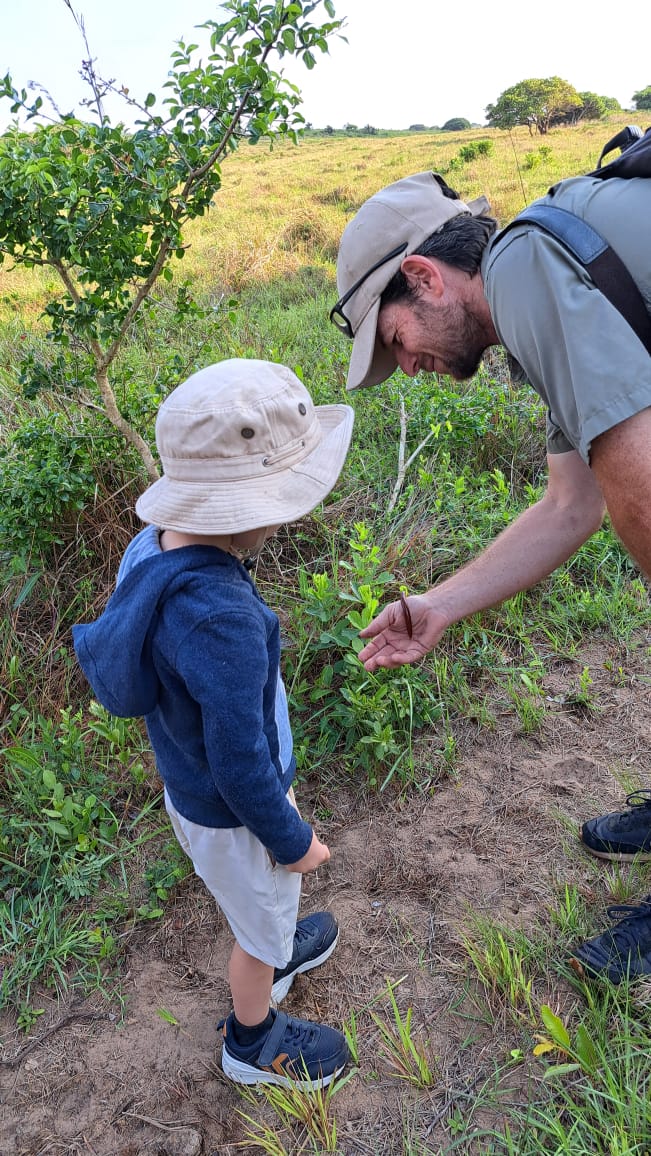
Self-drive safari has its place, but for a first family safari – and especially for families with children – a knowledgeable guide changes everything. The difference between driving past a pile of rocks and understanding that you are looking at a perfectly camouflaged leopard resting in the afternoon shade is the difference a good guide makes. Moreover, a guide who is genuinely passionate about what they do plants something in a child that grows for decades. The Little Bush Baby Co. hosts family safaris in the Northern KwaZulu Natal region of South Africa. They also can help plan your trip if you want to incorporate other regions such as Cape Town, the Garden Route or Kruger.
Pack the right books.
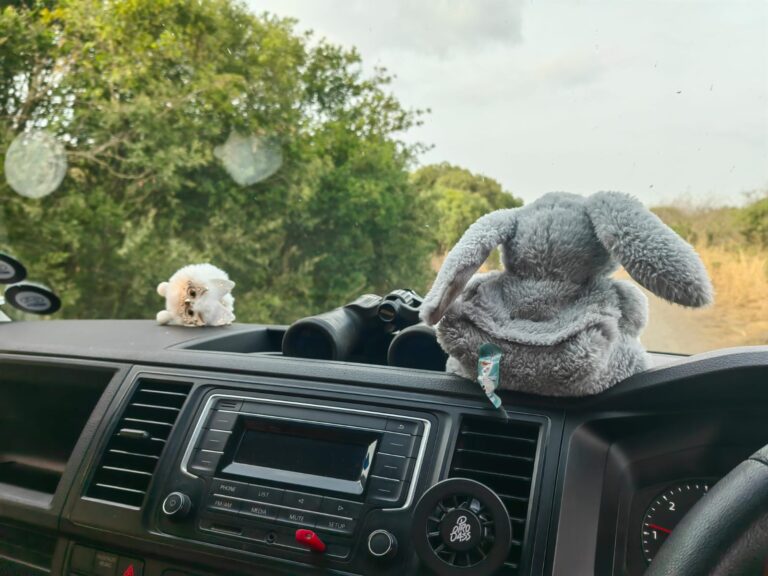
We never go on safari without field guides in the vehicle. Books like Sasol Birds of Southern Africa, the My First Book of Mammals series, and at least one fiction book featuring the animals we might see (if you need any suggestions take a look at our blog post on our favourite wildlife books). The ability to look up what you have just spotted, to find it in the guide and read about its behaviour, doubles the educational value of every sighting.
Let the children lead the questions.
Resist the urge to teach. Ask what they noticed, what they thought and most importantly what they want to know. The questions they generate themselves will stay with them far longer than anything you tell them. That, after all, is what makes an educational safari for kids so powerful – it never feels like education. It feels like the best day of their lives.
Visiting iSimangaliso Wetland Park – Our Home Ground
If KwaZulu-Natal is on your radar – and if you are serious about family safari, it absolutely should be – iSimangaliso Wetland Park is one of the most underrated educational safari for kids destinations on the continent.
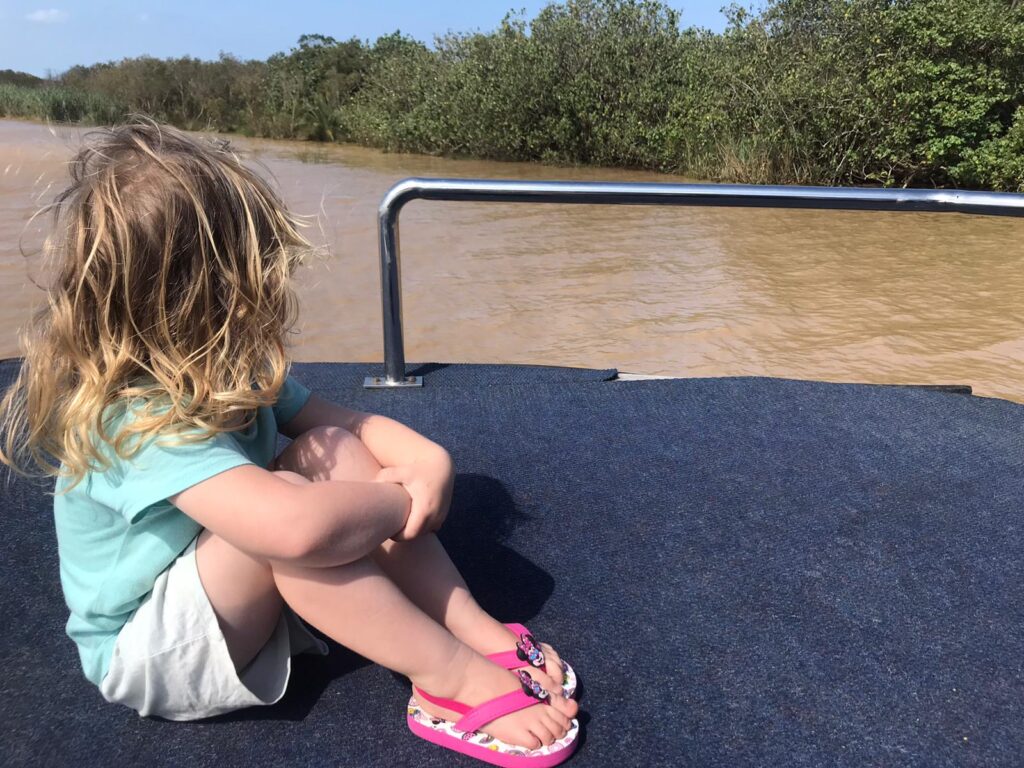
A UNESCO World Heritage Site, iSimangaliso encompasses ocean, estuary, wetland, bush and forest ecosystems within a single park. It is consequently one of the few places in the world where a family can watch hippos in the morning, snorkel with tropical fish in the afternoon, and listen to lions at night.
Our sister company, The Little Bush Baby Company, runs guided family safari experiences in and around iSimangaliso from our base in St Lucia. Every experience is led by guides who understand both the wildlife and the particular magic of sharing it with children. If you are planning a family trip to KwaZulu-Natal, we would love to be part of it.
Before You Go – Bring Africa Home First
One of the most effective things you can do before a first family safari is introduce your children to Africa’s animals at home – building the vocabulary, the recognition and the curiosity that will make every sighting on the ground richer and more meaningful.
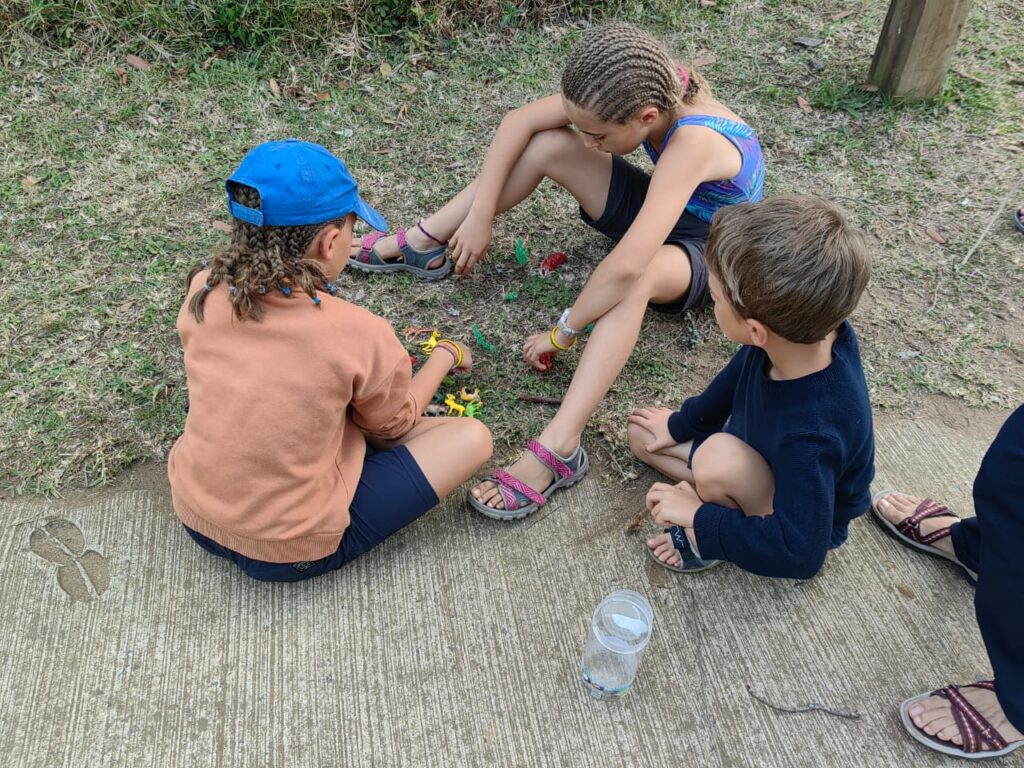
Our free Safari Animal Mini Pack is a good place to start – six pages of wildlife learning designed for curious children, available straight to your inbox.
GET YOUR FREE SAFARI ANIMAL MINI PACK
And for families who want to go deeper before or after their trip, our Safari Animal Fact Card Set covers ten of Africa’s most iconic animals with beautiful illustrations and fascinating facts. Perfect for kitchen table learning, car journeys and post-safari conversations.
SHOP THE SAFARI ANIMAL FACT CARD SET
A Final Thought
My children have been on safari hundreds of times. They know the bush the way other children know their school corridor – intimately, comfortably, without having to think about it.
And still, every time, the lion stops them.
That is not familiarity breeding contempt. That is the opposite. It is the natural world doing what it has always done – reminding us, regardless of age or experience or how many times we have been here before, that we are small and the world is extraordinary and that is entirely as it should be.
An educational safari for kids does not just teach – it orients them. It orients them – toward wonder, toward care, toward the living world and their place within it. That is an education that lasts a lifetime.
Let Africa teach your children what the world is made of.
Written by Katie Wormald – paediatric nurse, health visitor, mother of three and founder of Kate on Safari. Katie lives in KwaZulu-Natal, South Africa on the edge of iSimangaliso Wetland Park, with her husband Ashley, a dedicated conservation wildlife guide who has previously worked with WWF and Wildlife Act.
4 Comments