Open Vehicle vs Closed Vehicle Safari – Which is Actually Better for Children?
By Katie Wormald | Kate on Safari | Life in the Bush
Open vehicle safari for families is one of the questions I am asked more than almost any other – and the honest answer might surprise you.
Ask most people to picture a safari and they will imagine an open vehicle. Open sides, no roof (or canvas roof), binoculars raised, the smell of the bush rolling in from every direction. It is the iconic image. It is what safari looks like in every documentary, every travel magazine, every Instagram post.
But the open vehicle safari for families question deserves a more honest answer than the industry usually gives.
But here is the question nobody in the safari industry seems to be asking: is an open vehicle actually the best experience for children? Or have we simply assumed that the adult ideal is the children’s ideal too – the same way we assume that a family safari is just an adult safari with smaller passengers?
Having run family safari experiences through The Little Bush Baby Company in the StLucia area, and having taken my own three children on more game drives than I can count, I want to give you an honest answer to this question. Because the truth is more nuanced – and more useful – than the industry usually admits.
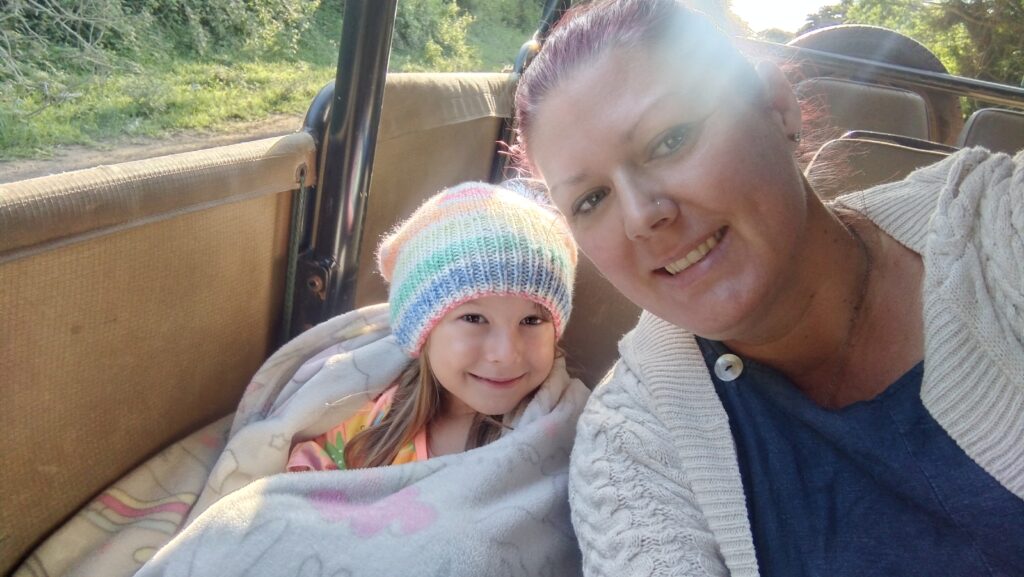
What Open Vehicle Safari for Families Actually Offers
Let’s start with what open vehicles genuinely do well – because the case for them is real.
In an open vehicle you are inside the environment rather than looking at it through glass. The smell of the bush – that particular combination of dust and wild sage and something animal and alive – reaches you immediately and completely. The sounds are unfiltered: the birds, the insects, the distant alarm call that tells you something is moving through the bush two hundred metres away. The temperature, the wind, the quality of the light at six in the morning – all of it arrives directly, without a window between you and the wild.
For children who are old enough to appreciate this – and old enough to understand why stillness and quiet matter at an animal sighting – an open vehicle can be a genuinely transformative experience. The feeling of being inside the bush rather than driving through it is different in kind, not just degree. And children who have experienced it tend to remember it with a vividness that closed vehicle safaris rarely produce.
The other significant advantage for families is the elevated seating. In most open safari vehicles children can see clearly over the grass and scrub in a way that is simply not possible from a standard car seat in a closed vehicle. That visibility – being able to see the elephant from the same vantage point as the adults, rather than craning around a headrest – makes a real difference to how children engage with what they are seeing.
This is what makes open vehicle safari for families with older children so compelling – the immersion is real and immediate.
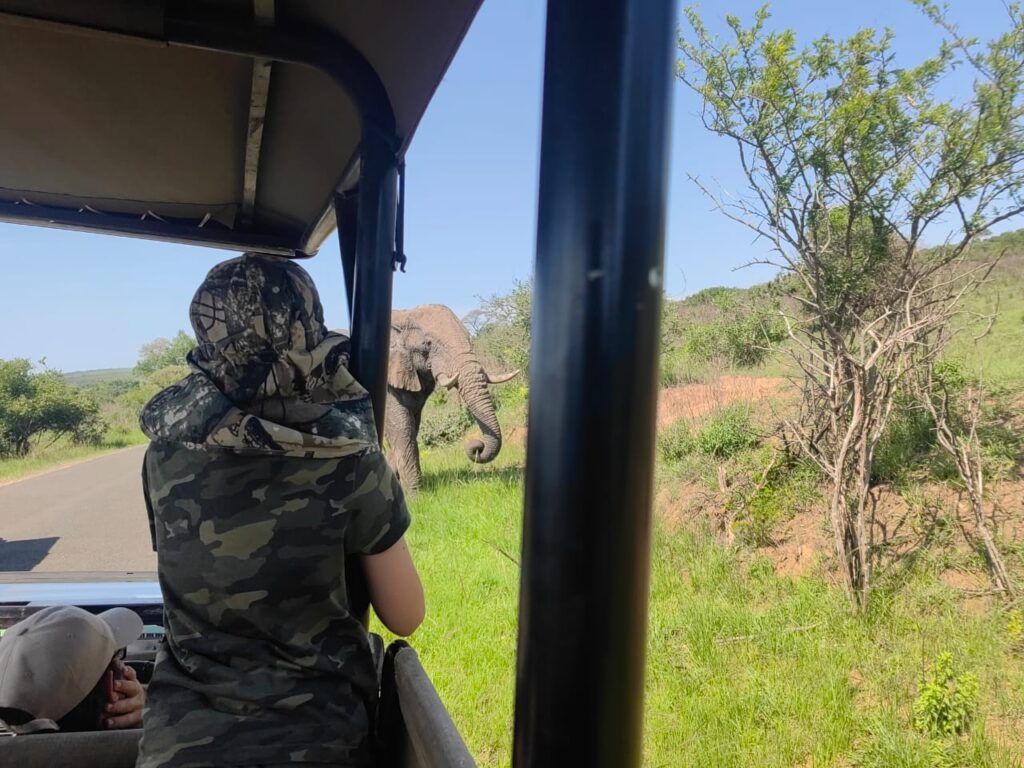
What the Industry Gets Wrong About Open Vehicles and Children
Here is where I need to be honest about something the safari industry rarely acknowledges.
Most open vehicle safaris are not designed for children. They are designed for adults, and children are taken along. The itinerary is the same. The duration is the same. The pace is the same. The guide’s commentary is pitched at the same level. The only concession to the fact that there are children on board is usually a discounted ticket price – and occasionally a slightly pained expression from the guide when the four-year-old asks the same question for the fifth time. Or starts complaining that they are bored.
Children who are put into an open vehicle on a standard adult game drive – up to 8 hours, no minimal shade, no flexibility, no concession to their attention span or their need to move – will almost always struggle. They get hot. They get cold. They get fidgety. They distract other guests. The guide slows down for something interesting and the child chooses that exact moment to announce loudly that they need a wee.
This is not the child’s fault. It is a design failure. The open vehicle experience, as it is typically delivered, is not built for children. And when children have a difficult time on safari, parents often conclude that their child is not ready for safari – when in fact their child was never given a safari that was designed for them.
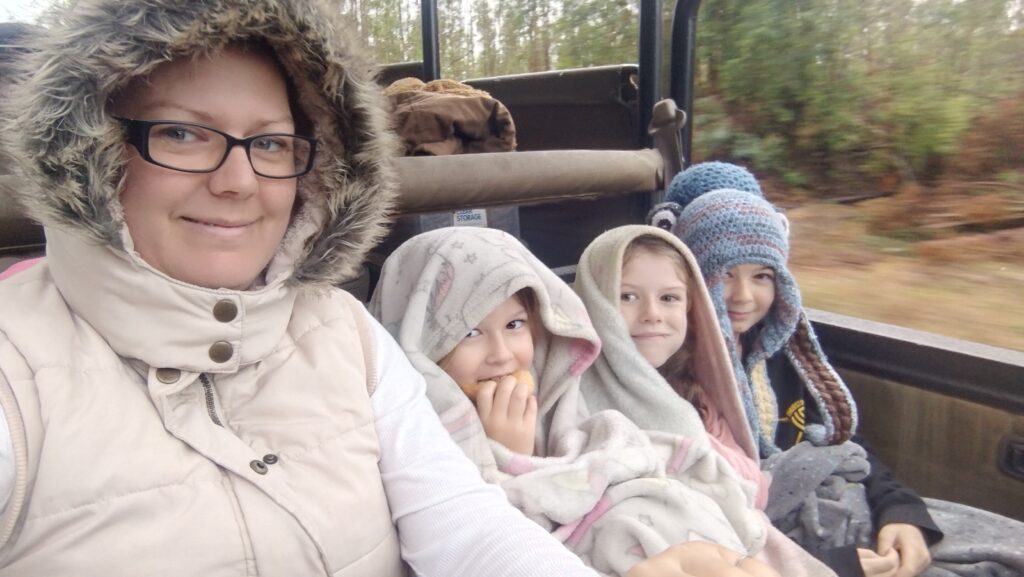
The Case for Closed Vehicles With Children – And Why It’s Stronger Than You Think
This is the part that surprises most parents when I raise it – because the assumption in the industry is that open vehicle safari for families is always the gold standard. It isn’t.
For families with young children, a private closed vehicle safari is often the better choice. Here is why.
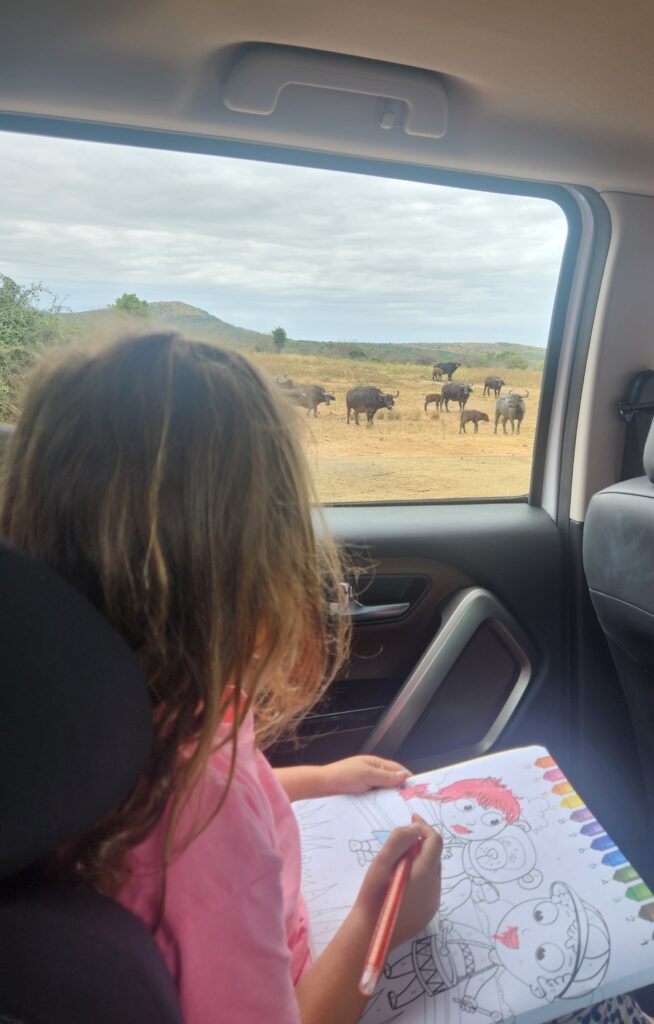
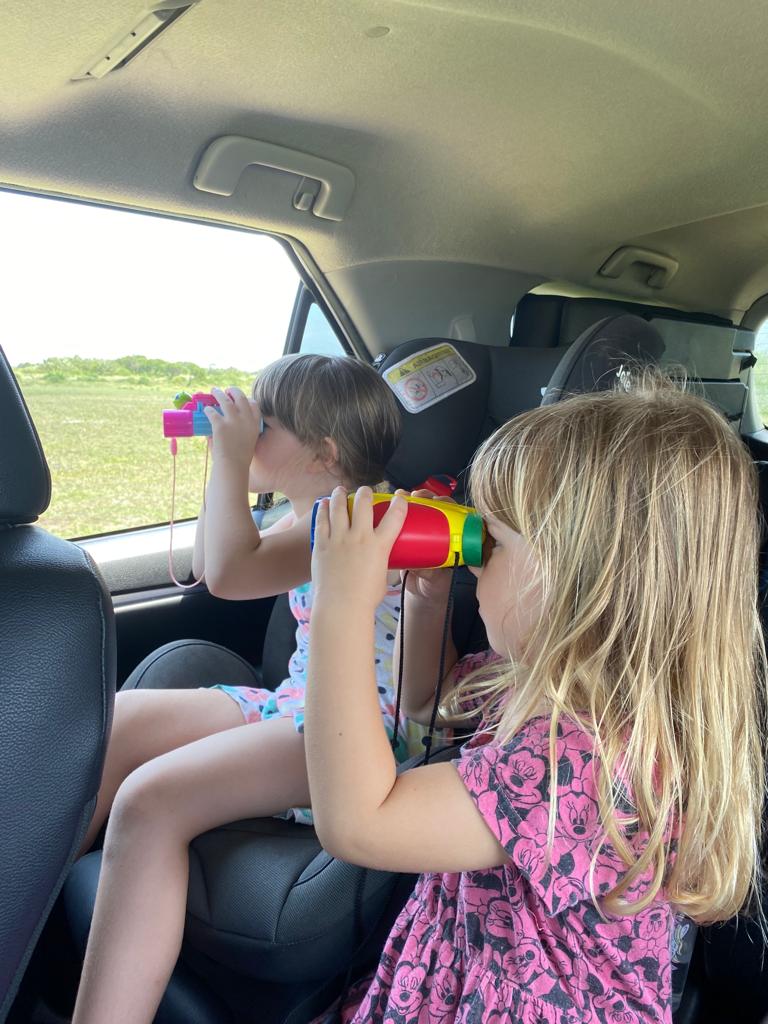
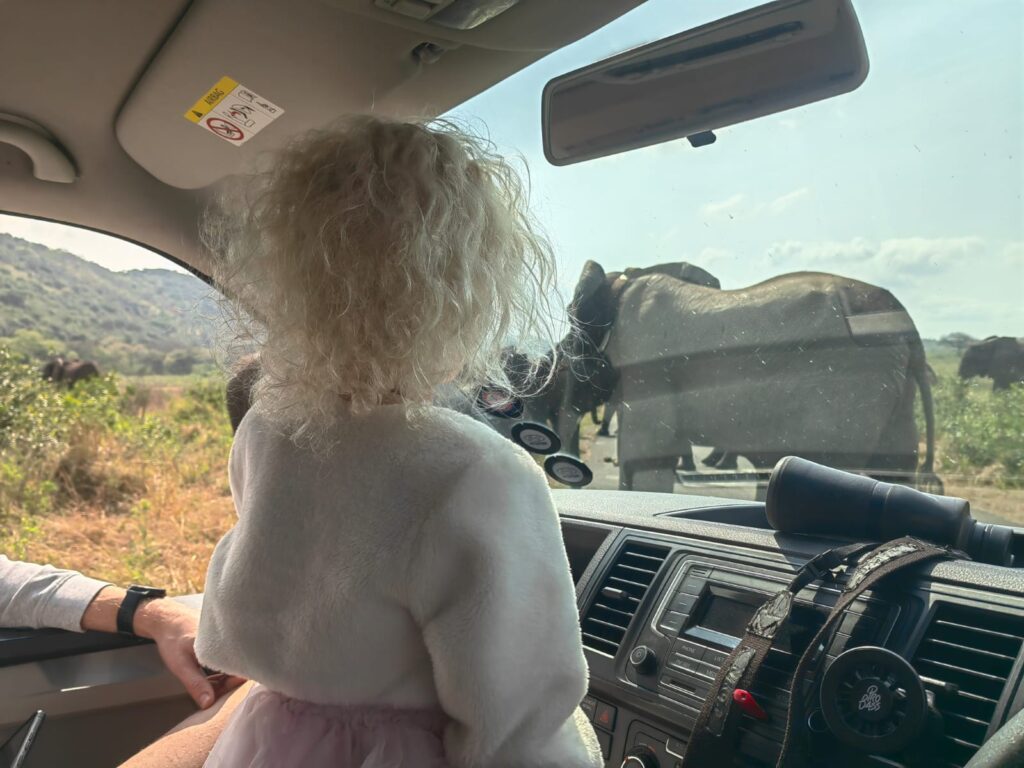
Freedom of movement. In a closed vehicle children can move. They can shift position, lean across to look out the other window, lie down across the seat when they are tired, reach into the bag for a snack without the whole vehicle knowing about it. That freedom — small as it sounds — makes an enormous difference to how long a young child can sustain engagement. Stillness is hard for small children. A closed vehicle does not demand it in the same way.
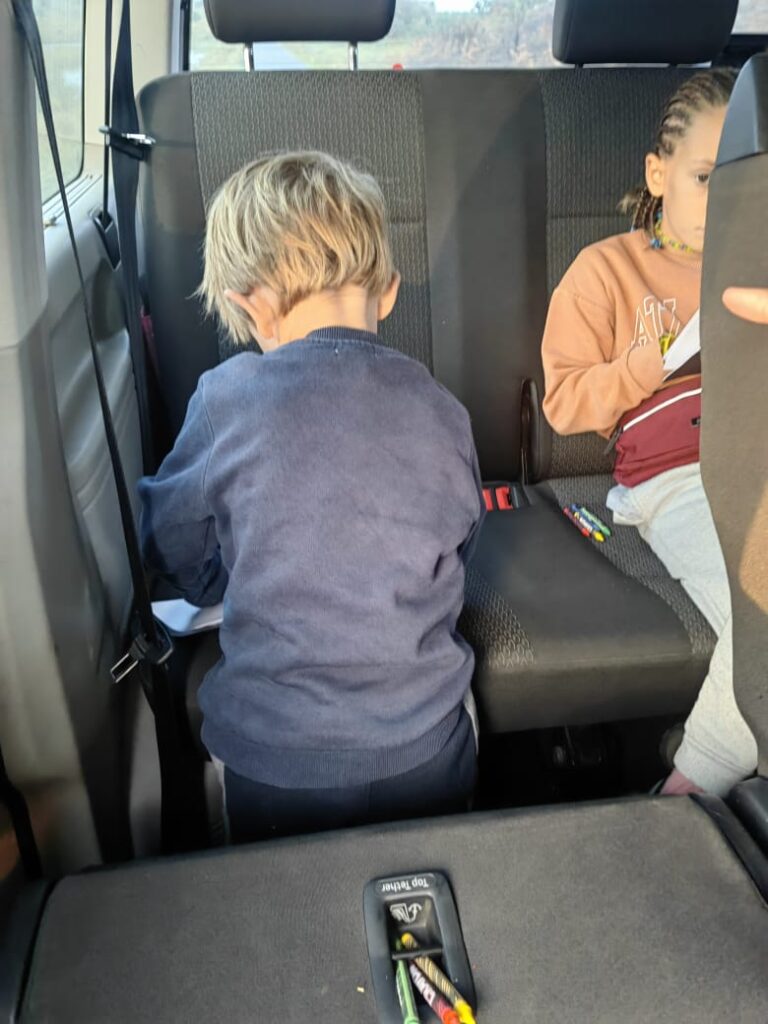
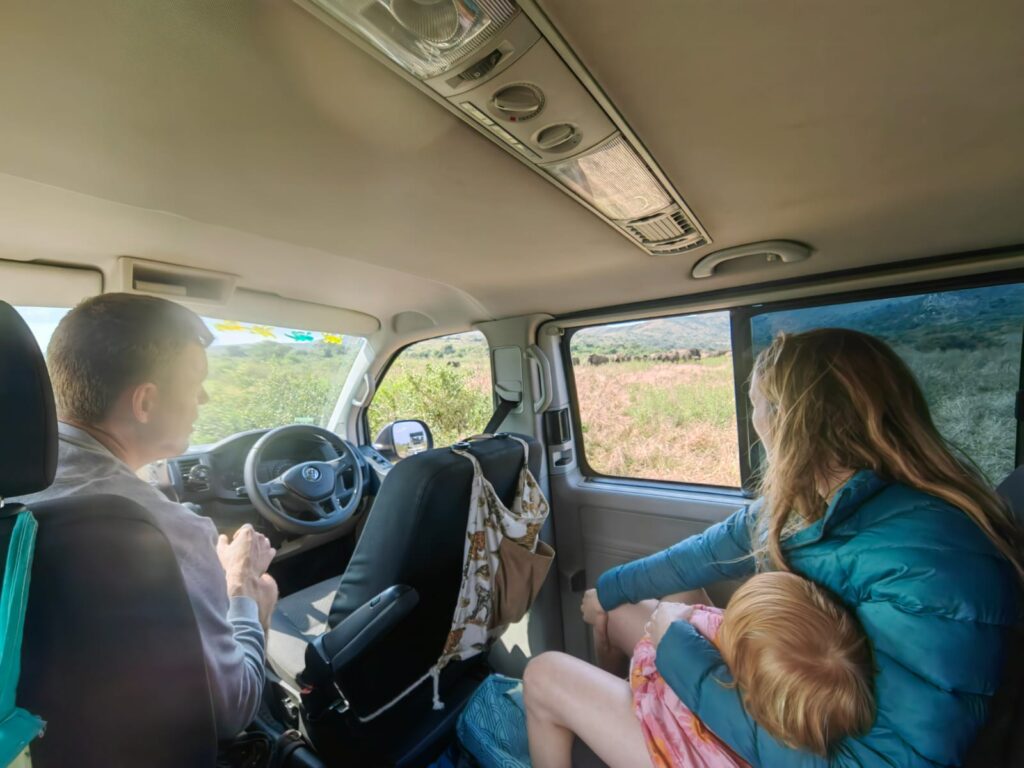
Weather independence. A closed vehicle goes out regardless of conditions. Too hot? Air conditioning. Too cold – and mornings in the KwaZulu-Natal bush in winter can be genuinely cold? Heating. Rain? No problem. The safari does not depend on the weather being perfect, which means it does not depend on the child being comfortable in whatever conditions the bush decides to produce that morning. For parents managing small children who are already juggling snacks, attention spans and toilet schedules, removing weather as a variable is not a small thing.
The private experience. Most closed vehicle family safaris are private – which changes everything. There are no other guests to disturb. The guide can pitch the experience entirely at the children. The pace can flex around what the children are interested in rather than what a mixed group needs. If everyone wants to stop and watch a dung beetle for twenty minutes, you stop and watch the dung beetle for twenty minutes. If someone needs a snack break, you have a snack break. If a child falls asleep on the back seat after an hour, that is perfectly fine.
Car seats and safety. For very young children, car seats are non-negotiable – and they are simply not compatible with most open safari vehicles. A closed vehicle accommodates proper car seats, proper seatbelts, and the peace of mind that comes with knowing your child is safely secured.
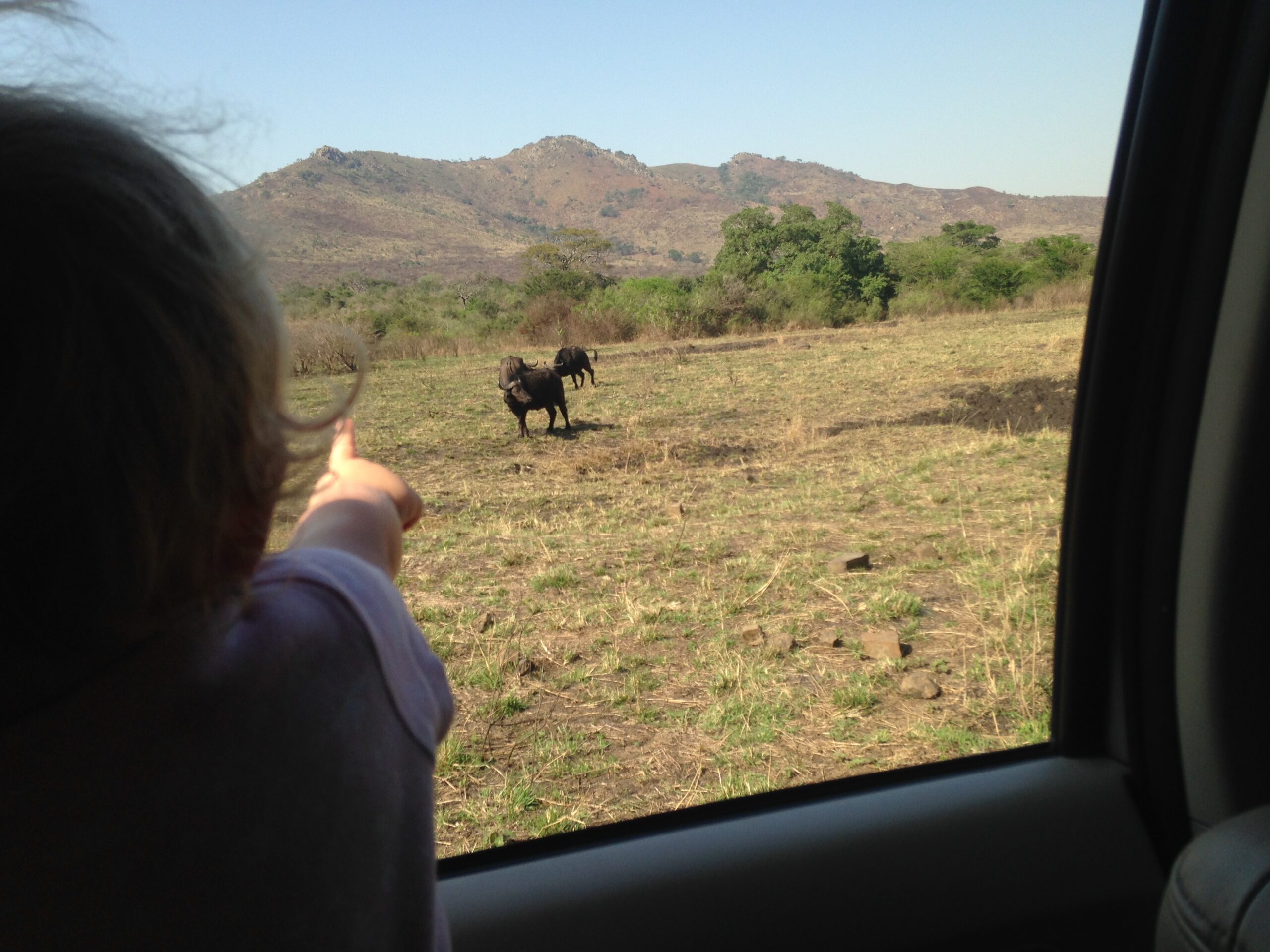
Windows open, world in. Here is the thing that most parents don’t realise until they try it: with the windows open, a closed vehicle delivers most of what an open vehicle does. The smells come in. The sounds come in. The feel of the bush comes in. You are not sealed behind glass watching a nature documentary – you are in the bush, in a vehicle with open windows, with everything except the full exposure to the elements. For most young children that is more than enough.
So Which Should You Choose?
The open vehicle safari for families question has no single right answer – it depends on the age of your children, the reserve you are visiting, and whether the experience has been designed with children in mind.
Here is how I think about open vehicle safari for families broken down by age:
Under 5 – closed vehicle, private safari, every time. The flexibility, the safety, the weather control and the freedom of movement make it the right choice for this age group without question. An open vehicle safari at this age is asking a lot of a small child and a lot of a parent.
Ages 5 to 8 – closed vehicle still preferred, but open vehicle possible if the safari is specifically designed for children, the duration is appropriate, and the guide is genuinely experienced with young families. Ask before you book.
Ages 8 and above – open vehicle becomes genuinely exciting. Children in this age group can manage the stillness, appreciate the immersion, and understand why the experience demands a certain kind of attention. The open vehicle at this age delivers something that closed vehicles cannot fully replicate.
At any age – private is almost always better than shared. A guide who can pitch entirely to your children, flex the pace around their engagement, and answer the same question six times without visible frustration is worth every penny of the private rate. For more on preparing children for their first trip, see our educational safari for kids guide.
A Note on Knowing Your Child
The open vehicle safari for families debate ultimately comes down to one thing – knowing your child. Every child is different – and you know yours better than any guide, any booking agent or any general advice on the internet. If your instinct tells you that your child’s attention span, tolerance for stillness, or sensory sensitivity would make a shared open vehicle difficult, trust that instinct. As we explore in our post on children’s attention spans and nature, the key is designing experiences around how children actually engage.Therefore, ask for an alternative, request a closed vehicle, or if you have your heart set on the open vehicle experience, see if a private vehicle is available for your family only.
A good safari operator will always accommodate this – and if they won’t, that tells you something important about whether they have genuinely designed their experiences for families or simply permitted children to attend adult ones.
What We Do at The Little Bush Baby Company
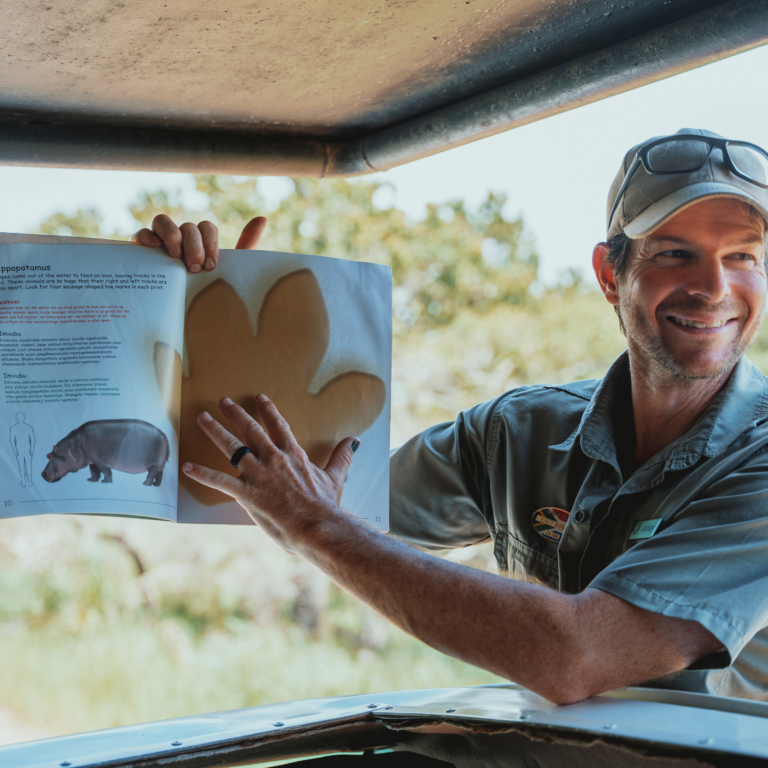
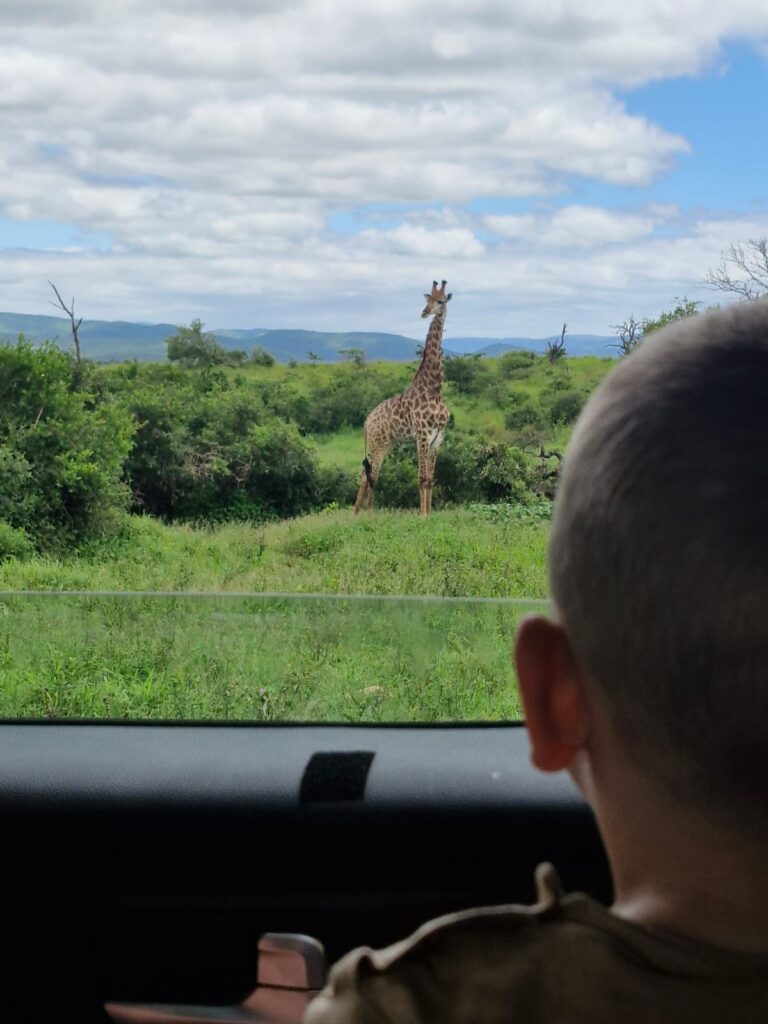
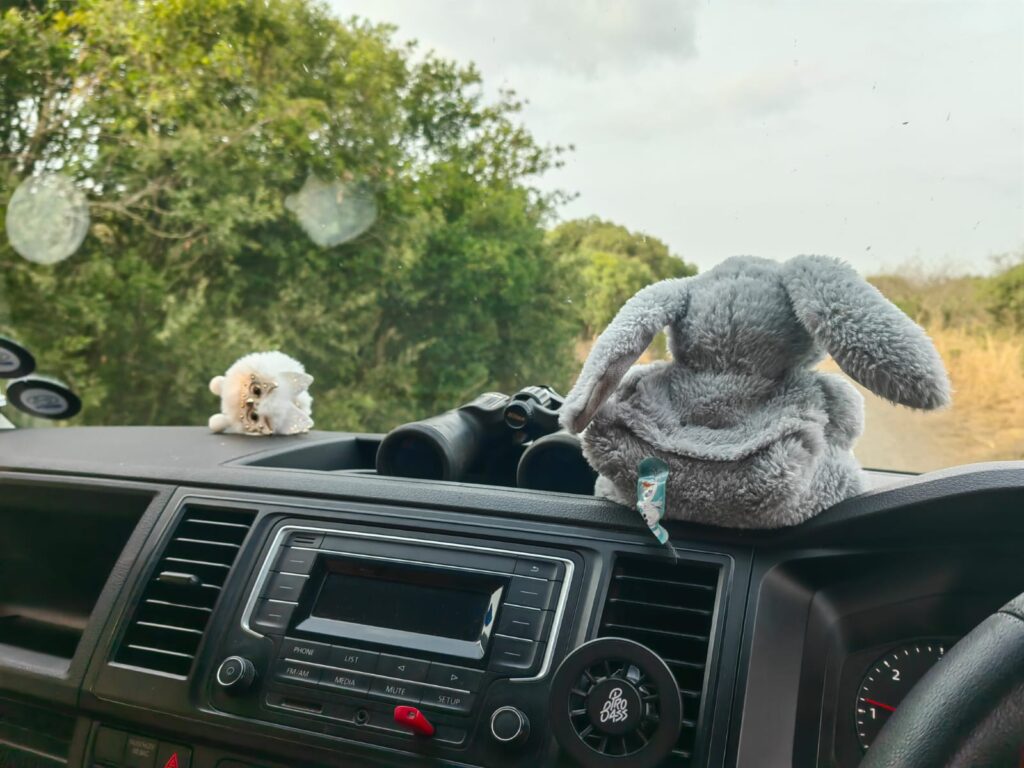
At The Little Bush Baby Company we have thought carefully about open vehicle safari for families and designed our experiences accordingly. We use closed vehicles for families with young children and can accommodate car seats. Our guides are experienced with children of all ages – including children who find sustained stillness genuinely difficult – and every experience is designed around the family rather than around a standard adult itinerary.
If you are planning a visit to iSimangaliso Wetland Park or Hluhluwe-iMfolozi Park and want a safari experience that is actually built for your children rather than one they have simply been permitted to join, we would love to help you plan it.
The Bigger Picture
The open vehicle safari for families question is, in many ways, a symptom of a larger problem in the safari industry – the assumption that a children’s safari is just an adult safari with smaller people in it.
It isn’t. Children experience the bush differently. They notice different things. They ask different questions. They need different pacing, different language, different levels of physical freedom. And when they are given a safari that is actually designed for them – whether in an open or a closed vehicle – the results are extraordinary.
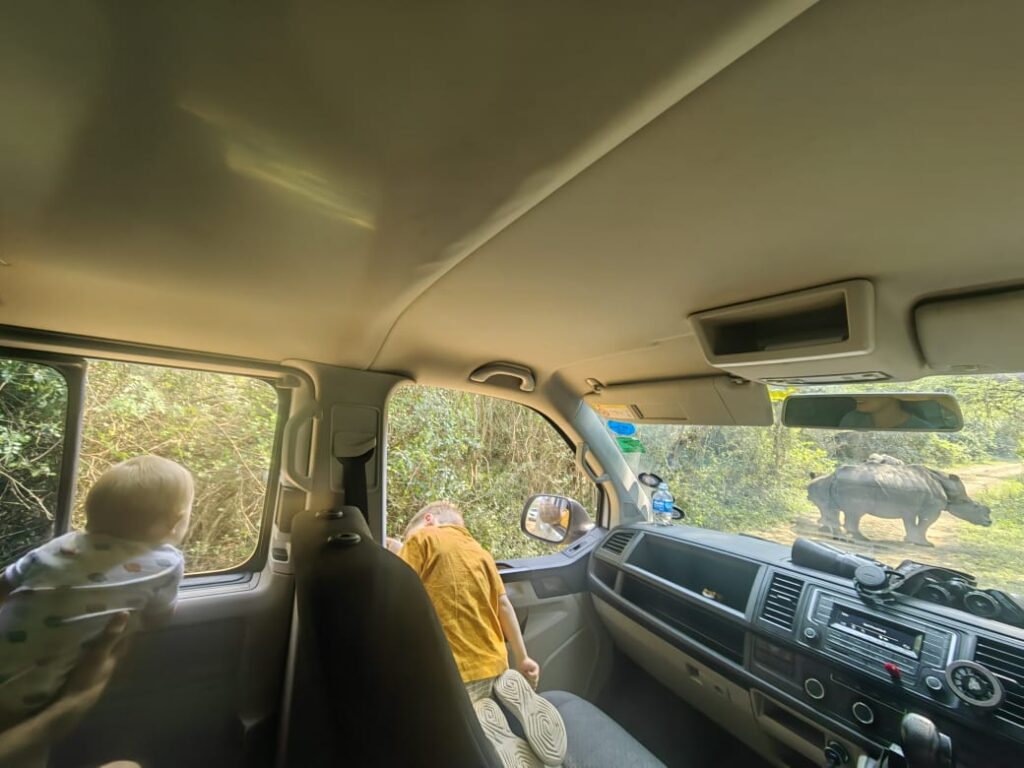
My children have been on hundreds of game drives. They have experienced the bush in open vehicles, closed vehicles, on foot, and by boat. And what I can tell you, with complete confidence, is that the vehicle matters far less than the experience inside it.
A child who is engaged, who has context, who is being spoken to rather than spoken over, who is free to ask questions and move and wonder – that child will have an extraordinary safari in any vehicle you put them in.
Prefer to Self-Drive?
Not every family wants a guided experience – and self-drive safari is a wonderful option for families who prefer to explore at their own pace. Whether you choose open vehicle safari for families or a self-drive option, having the right resources makes all the difference between children who are engaged and children who are reaching for a screen.
Our Wildlife Safari Learning Bundle in the Etsy shop has everything you need to keep little ones curious, engaged and learning between sightings – activity sheets, wildlife fact cards and more, all designed for children in the bush.
SHOP THE WILDLIFE SAFARI LEARNING BUNDLE
The open vehicle safari for families question is ultimately a small part of a much larger conversation about whether children are being genuinely included in safari experiences or simply permitted to attend adult ones.
Let Africa teach your children what the world is made of.
Written by Katie Wormald – paediatric nurse, nurse specialist, health visitor, mother of three and co-owner of The Little Bush Baby Company. Katie lives in KwaZulu-Natal, South Africa on the edge of iSimangaliso Wetland Park.