
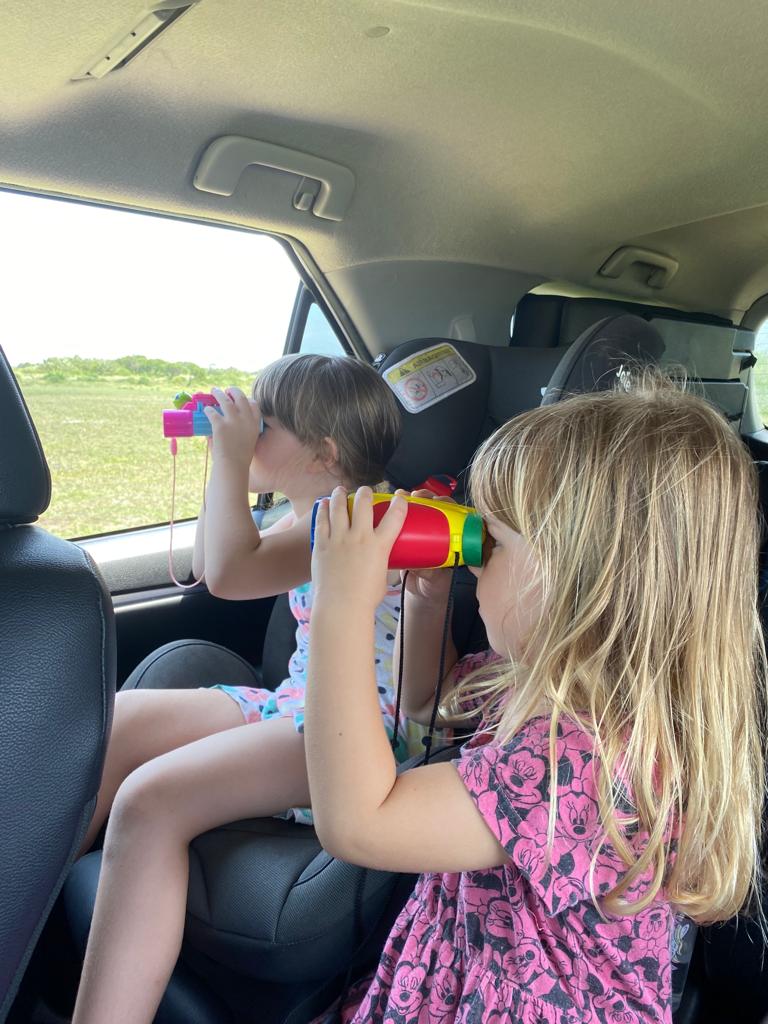
Birdwatching for kids: Beak, Colour, Size – The Three-Detail Game That Gets Kids Hooked on Birds
My eldest identified a bird on the fence post the other morning before I’d even looked up. Short curved beak, he said, so it eats insects not seeds. He wasn’t quoting a fact card. He was reading the bird the way you might glance at someone’s shoes and make a guess about their day. Instinctively, from the details.
That’s the whole engine behind birdwatching for kids, and it has almost nothing to do with equipment and everything to do with knowing what to actually look at.
We live on the edge of iSimangaliso Wetland Park in KwaZulu-Natal, South Africa, where my husband Ashley works as a professional wildlife guide. Birds are part of daily life here in a way they aren’t in most places. But the observation framework my children use – and the one I want to share with you – works just as well from a garden in Leeds as it does from a veranda in the bush.
Why Birdwatching for Kids Has Never Had a Better Moment
Something has shifted in the UK around birdwatching, and it isn’t subtle. The RSPB announced earlier this year a tenfold increase in birdwatching among Gen Z, making it the second fastest-growing hobby for under-25s after jewellery-making, as part of a broader 47% general rise across all ages. A survey of 1,000 UK travellers found 55% are keen to try birdwatching on their next trip. Nearly half now see it as “cool again.”
The rise of #BirdTok on social media has played a significant part, as has Ariana Grande publicly talking about her passion for birdwatching. But for the parents I hear from most often, the appeal is simpler: birdwatching is one of the few activities that gets children genuinely off screens and genuinely present, in a way that doesn’t feel forced or worthy.
The RSPB put it plainly: birdwatching is “something that everyone can do, no matter how much or little they know about birds.” That low barrier matters enormously when you’re trying to get a reluctant seven-year-old interested. You don’t need knowledge to start. You just need a bird and three questions.
If you’re already thinking about how to build more nature time into your child’s week, our piece on raising wild-hearted children in a screen-heavy world covers the broader case. But birdwatching for kids is one of the most accessible entry points into that habit, because birds are everywhere, they’re free to watch, and the game I’m about to share gives children something concrete to do with their eyes.
The Three-Detail Framework That Changes Everything
“Let’s watch the birds” is too vague for most children under ten to act on. It’s an invitation with no instructions. What transforms passive glancing into genuine looking is giving a child three specific things to find. Not identify – find. The identification comes later, and it becomes the reward.
Beak shape first. This is the single most useful detail and the one children grasp fastest, because it tells them something true and interesting without any prior knowledge required. A short, thick beak is a nutcracker – it crushes seeds. A thin, pointed beak picks insects from bark or catches them mid-air. A long, curved beak probes mud or water for invertebrates. A short, sharply hooked beak belongs to a predator. Once a child understands that the beak is a tool, they stop seeing birds as decorative and start seeing them as problem-solvers, which is a genuinely different and more interesting thing.
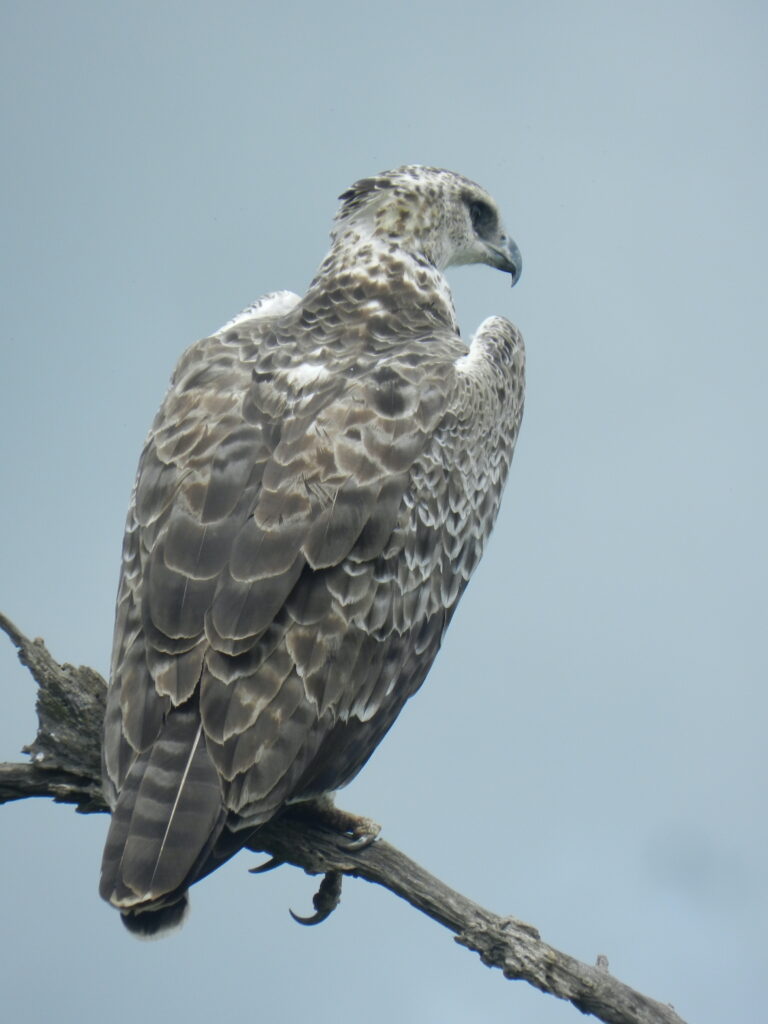
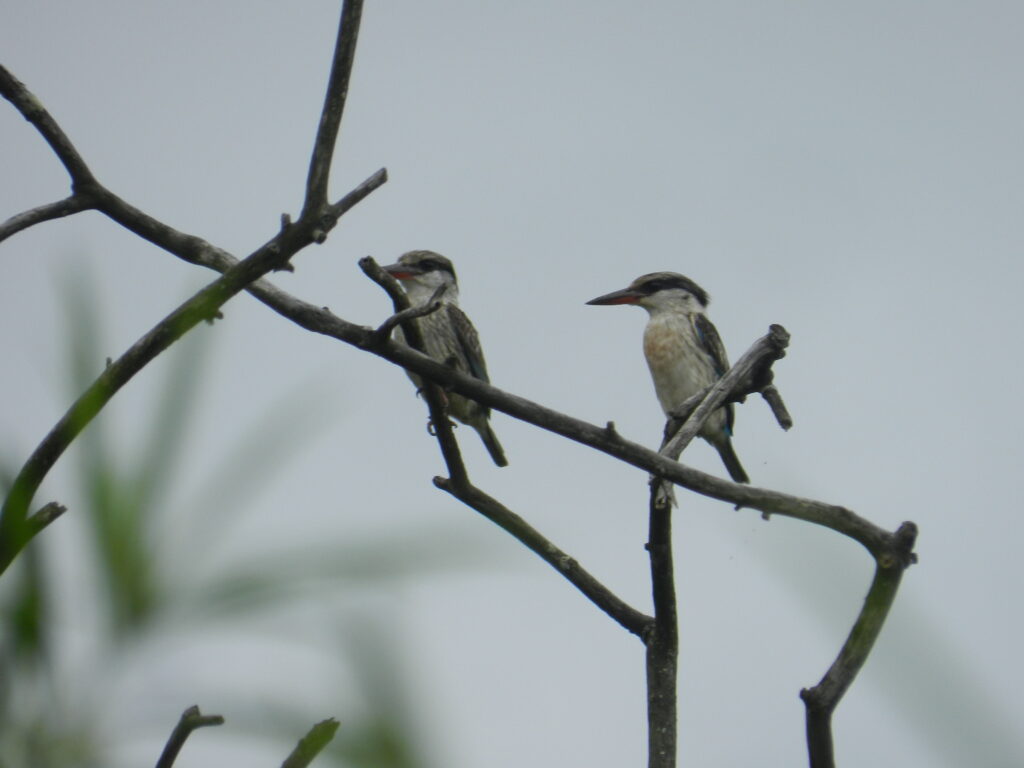
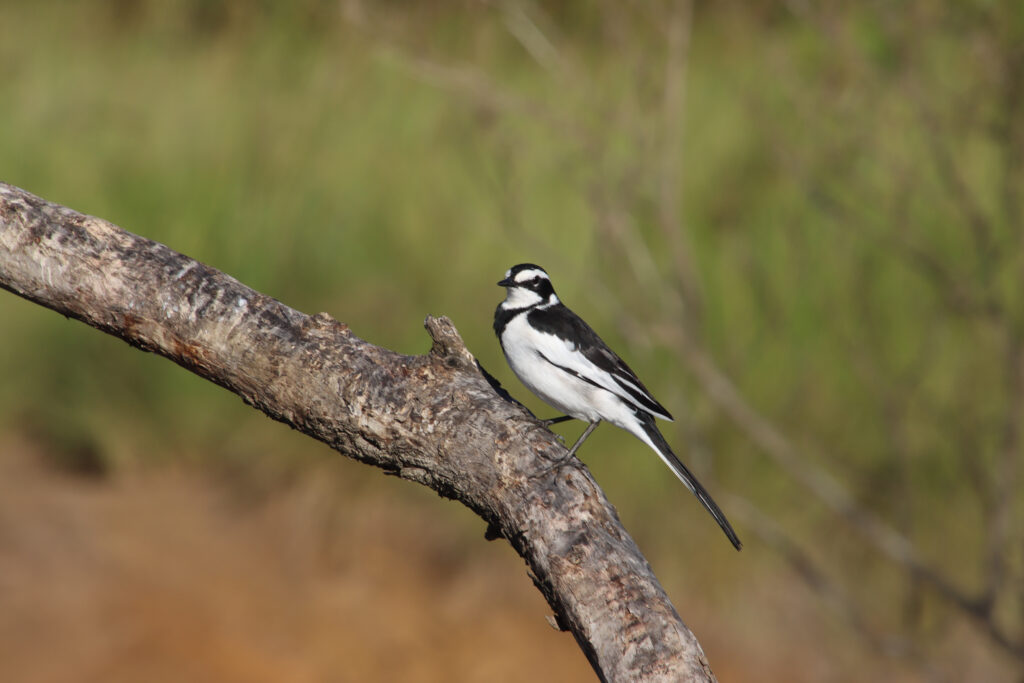
Colour and pattern second. Not “what colour is it” as a whole – children often default to the most obvious base colour and stop there. Instead, ask: where is the brightest patch? Is there a stripe through the eye, a flash of colour on the wing, a pale belly against a dark back? These micro-details are what separate species from one another, and hunting for them turns a glance into careful looking. It also trains the kind of specific observation that is directly relevant to the new Natural History GCSE, which is built around exactly this skill.
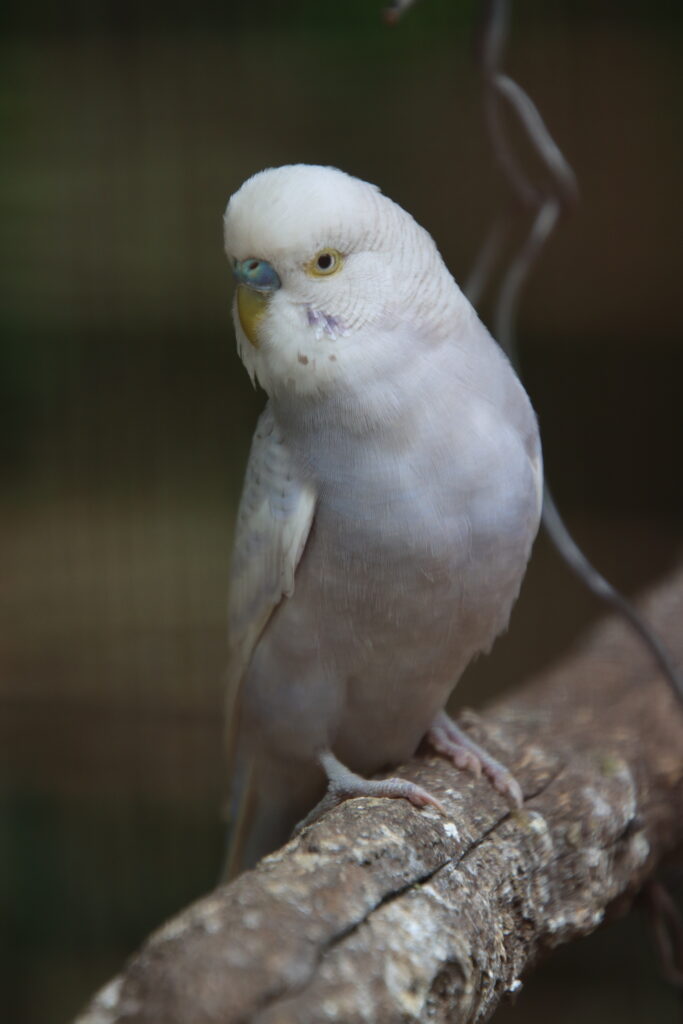
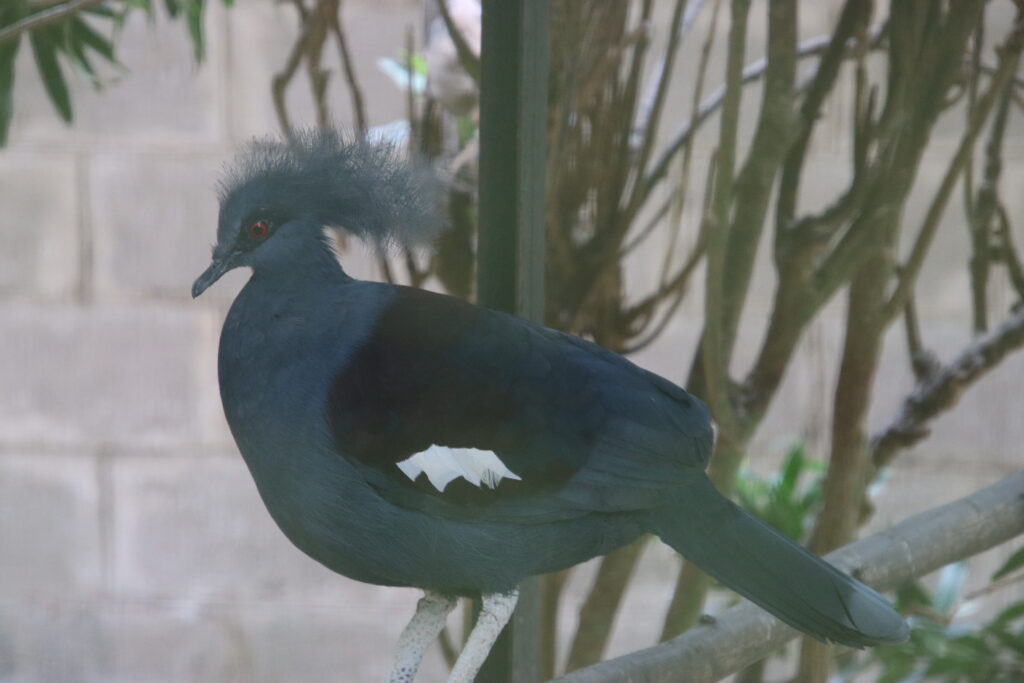
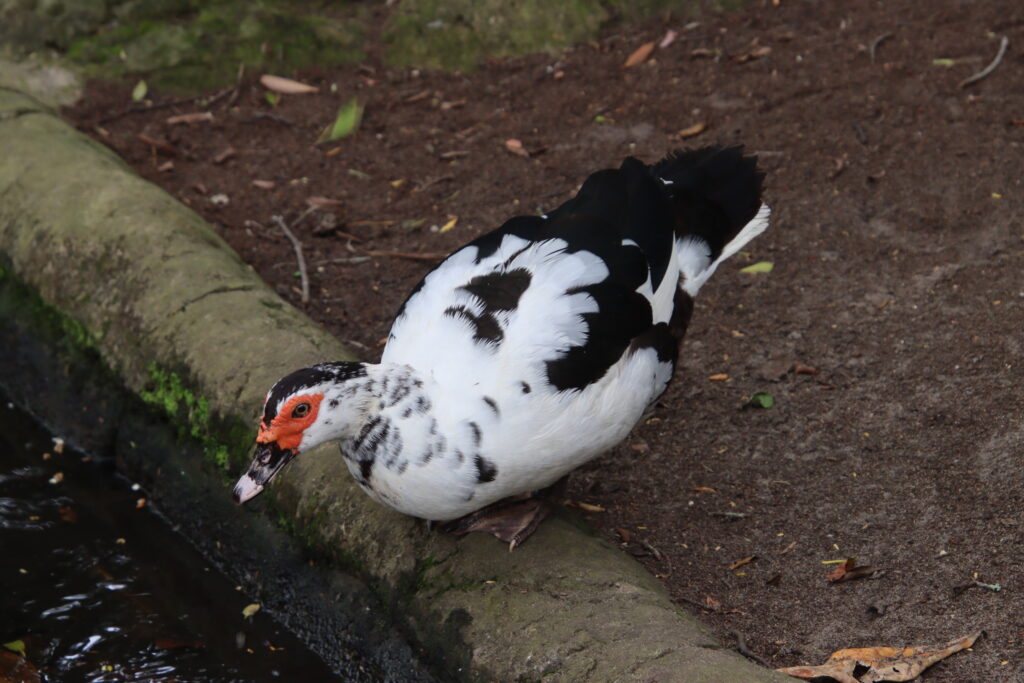
Size last, but always relative. Children are poor judges of absolute size and excellent judges of relative size. “Bigger than a pigeon, smaller than a crow” lands immediately. “Approximately 23 centimetres” means nothing at all. Give them two reference birds they already know – the house sparrow and the wood pigeon cover most of the range they’ll encounter in a UK garden – and let them place every new bird somewhere between or beyond those two anchors.
Three details. Around ten seconds of looking. No identification needed at the end of it.
UK Garden Birds to Practice With
These are five birds most UK families will encounter regularly, run through the framework so you can see how it works in practice:
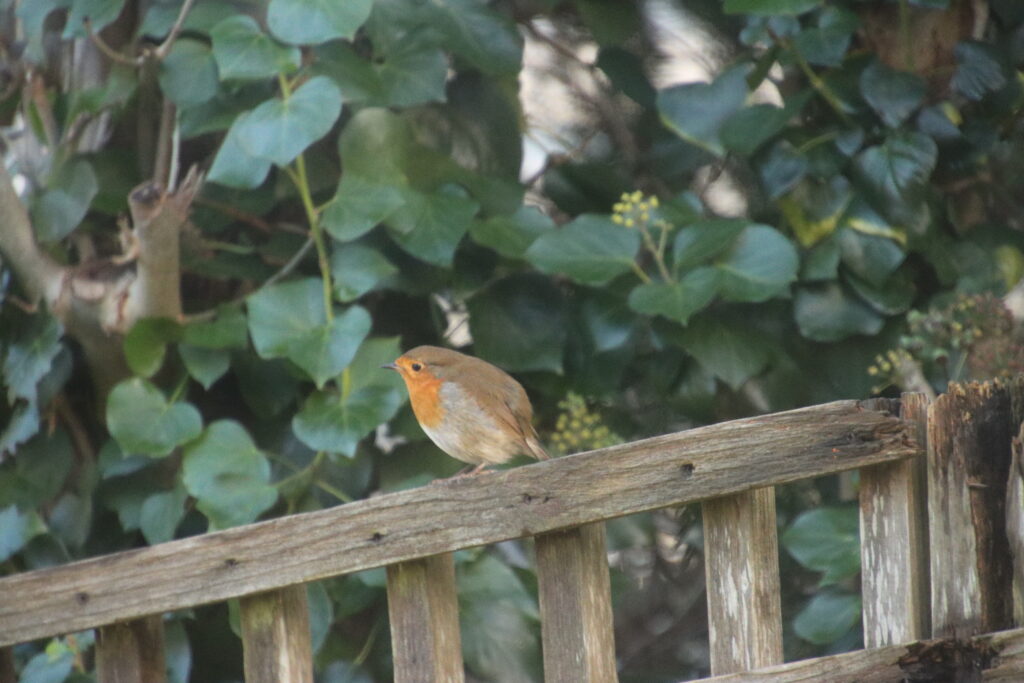
Robin. Thin, pointed beak – an insect and worm eater. Bright red-orange breast, brown back, no other markings needed once you’ve seen that chest. Smaller than a blackbird, bigger than a blue tit.
Blue tit. Short, stubby beak – seeds and insects. Blue cap, yellow belly, white cheeks: three distinct colour patches in one small bird, which makes it an excellent training bird for teaching children to find multiple details. Smaller than a sparrow.
Goldfinch. Medium pointed beak, red and black face, a vivid yellow stripe along the wing that flashes in flight. Sparrow-sized. One of the most visually complex common garden birds and very satisfying to identify once the details click into place.
Blackbird. Medium-length beak, bright yellow-orange in the male – a useful colour detail in an otherwise all-black bird. Male glossy black, female dark brown. Noticeably bigger than a sparrow and a good large reference point alongside the woodpigeon.
Wood pigeon. Small beak relative to a large, heavy body – immediately interesting to a child once they notice the mismatch. Grey overall, white neck patch, pink-flushed chest. Significantly bigger than a blackbird. The largest bird most UK children will see regularly in a garden.
The RSPB’s free bird identifier is the most reliable reference to reach for once your child has their three details and wants to confirm what they’ve found. The Merlin Bird ID app by Cornell Lab is also free and will identify a bird from a photo or from a sound recording, which is genuinely impressive and tends to earn the app a permanent spot on a child’s phone.
How to Turn Any Walk Into a Bird Investigation
The framework only builds into something meaningful if it becomes a habit rather than an occasional activity. This doesn’t require countryside or a nature reserve. It requires a consistent patch – the same street, the same park, the same garden – returned to often enough that a child begins to notice what’s changed.
A few things that help birdwatching for kids stick beyond the first enthusiastic walk:
Give them ownership of the list. A simple notebook where they record what they found, using their own words and drawings, builds investment in a way that an adult-completed species checklist never will. The British Trust for Ornithology runs BirdTrack, a free citizen science recording tool that older children can use to submit genuine sightings and contribute to national bird monitoring data. That sense of contributing to something real matters to children more than adults sometimes expect.
Let them be wrong. Getting the identification wrong, looking it up, finding the right answer – that sequence is the whole point. It builds the habit of using reference material, which is a skill with applications well beyond birds.
Let them hear before they see. Many species are heard long before they’re visible, and learning to stop, listen, and locate a sound is a different and complementary skill to visual identification. Ask: can you find where the sound is coming from before the bird reveals itself? This is genuinely addictive for children once they try it.
The bigger picture here is about attention – something I write about a lot on this blog (check my blog on childrens attention spans and nature here) and something the research increasingly supports. Children who learn to sit with a small curiosity, to look at one thing carefully rather than scanning for stimulation, carry that capacity into the rest of their lives. Birdwatching for kids is one of the most practical and enjoyable ways to build it.
A walk around the block, a bench in the park, a kitchen window on a grey Tuesday morning. The birds are already there. You just need three questions.
If this has got you thinking about getting outside with your children more this summer, the Wild Notes from KwaZulu-Natal newsletter is written exactly for you – weekly nature education ideas, wildlife knowledge, and practical ways to bring the natural world into your family’s everyday life, sent straight from the bush in KwaZulu-Natal. Sign up here and get our free Safari Animal Mini Pack as a welcome gift.
Katie is the founder of Kate on Safari, a children’s nature education brand connecting families with the wild world, from KwaZulu-Natal to your back garden.
One Comment