Why Going Analog Starts Outside – Raising Wild-Hearted Children in a Screen-Heavy World
By Katie Wormald | Kate on Safari | Raising Wild-Hearted Children
There is a particular kind of morning that resets everything.
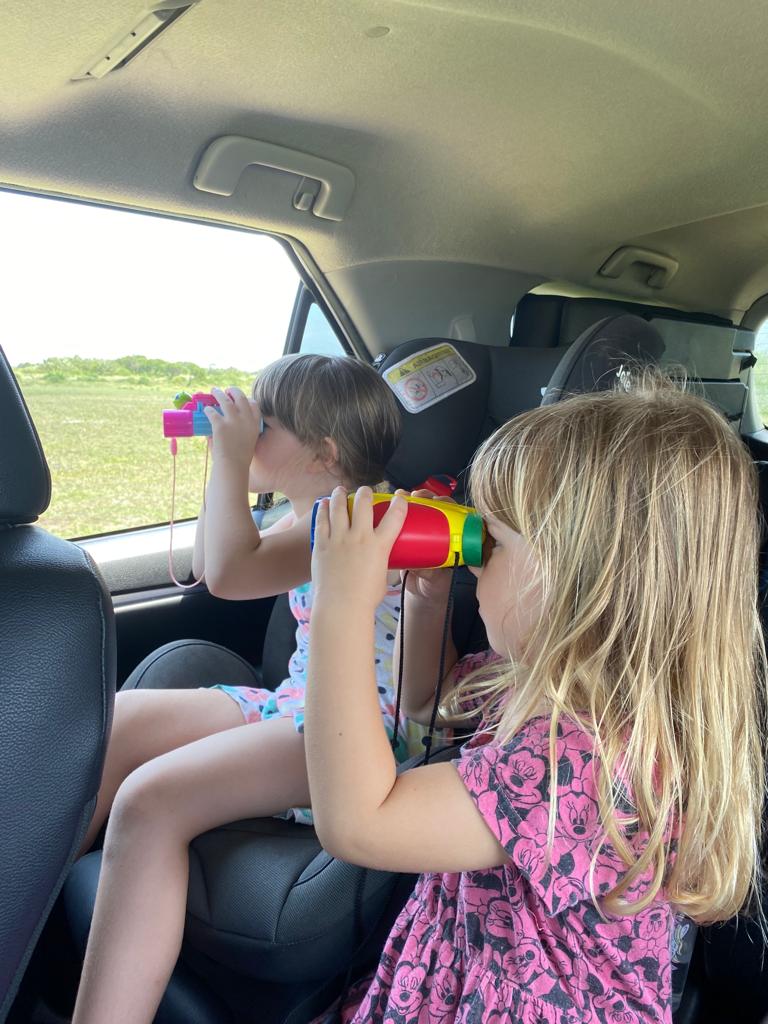
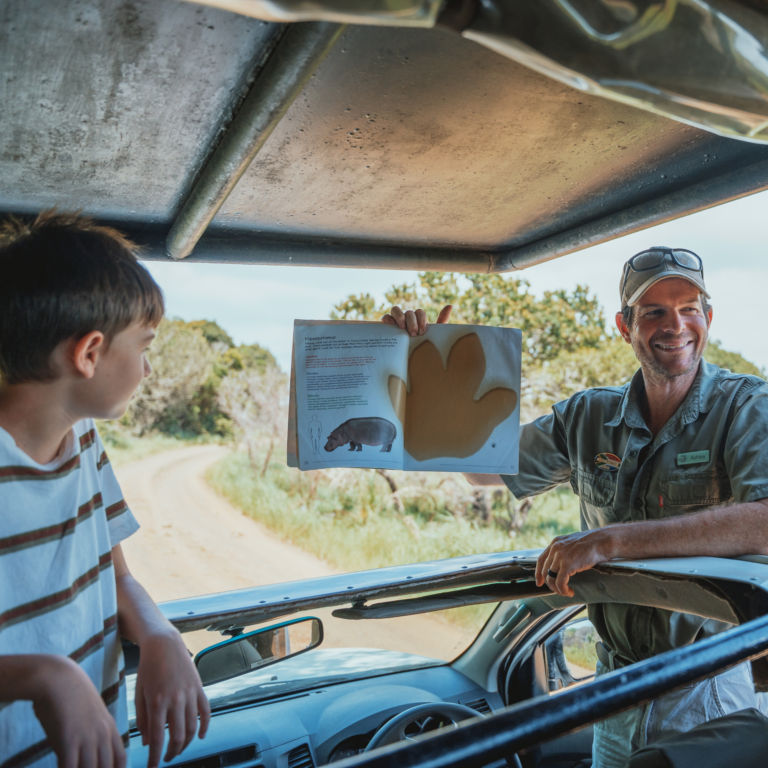
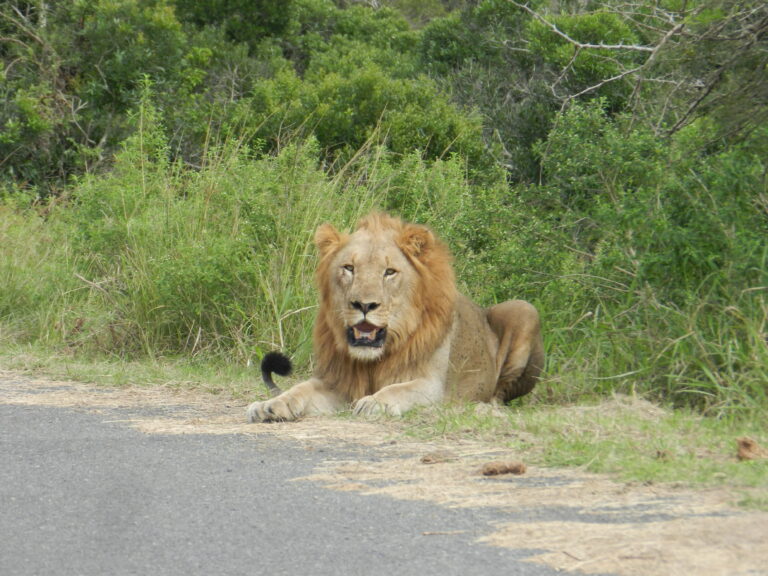
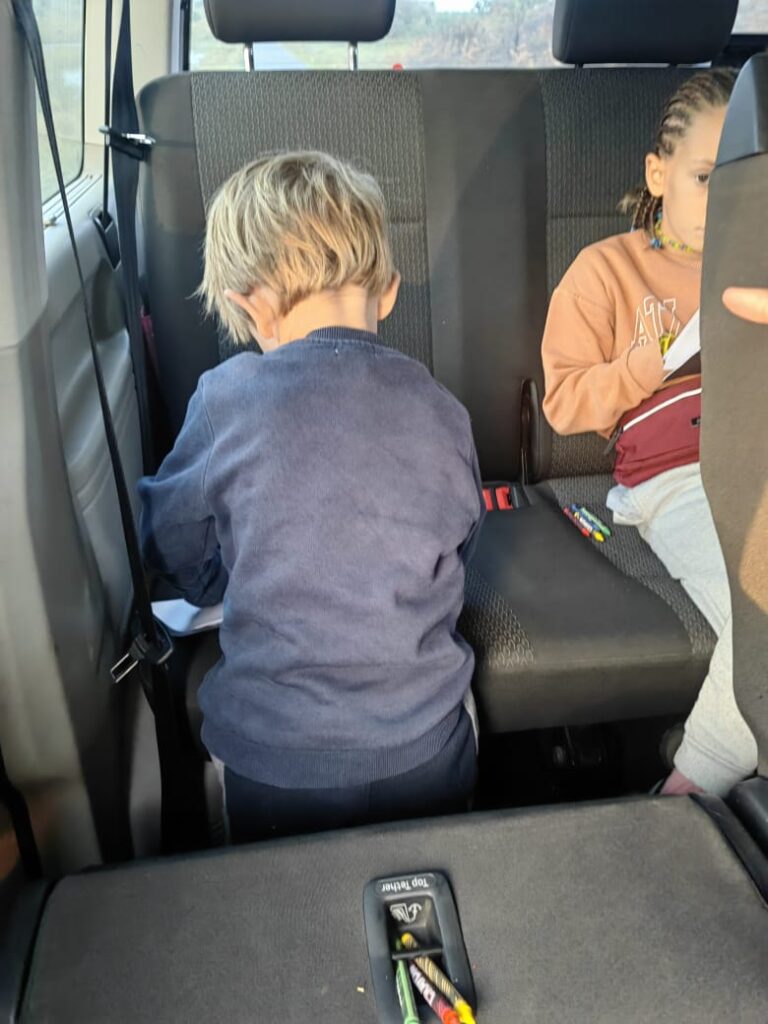
My children pile into the back of the game vehicle before the sun has fully committed to the day. Within minutes they have built a fort in the boot out of blankets, wildlife books and whatever toys made it into the bag. There is no wifi signal, no negotiations about screen time, and no agenda. There is simply the bush, the binoculars, and three children who have completely switched off from everything except what is happening outside the window.
Game drives are, without question, my favourite screen free nature activity for kids. And I will be honest with you about why — because it is not entirely selfless. I know that time in nature is one of the most powerful things I can give my children, and I have read the research. But here is the honest part: a game drive is two hours where my children are genuinely, completely absorbed — and I get to be present with them without managing them. That combination of knowing I am doing something wonderful for my children and actually enjoying it myself is, frankly, rarer than it sounds. I hold onto it.
I am a busy parent — as well as a business owner, a wife, a former paediatric nurse, a person trying to hold many things together at once. Screens exist in our house and they are not the enemy. However, this post is about what happens when we put them down — and what we have found waiting for us on the other side.
Why Screen Free Nature Activities for Kids Are the Going Analog Trend Nobody Expected
There is a growing movement among parents right now that researchers, educators and parenting experts are calling the “going analog” trend — and it is, without question, one of the most significant shifts in family life in a decade.
Driven in large part by Jonathan Haidt’s book The Anxious Generation and accelerated by Australia becoming the first country to ban social media for children under 16, parents across the world are waking up to something that many of them already felt instinctively: that childhood is being quietly hollowed out by screens, and that the solution is not more content, more apps, or more educational YouTube — it is less.
Going analog does not mean throwing the television out of the window. Rather, it means making a conscious decision to create spaces in family life where screens are simply not the default — where boredom is allowed, where children are trusted to fill silence with their own imagination, and where the natural world, in whatever form is available to you, becomes the entertainment.
For our family, that space is the bush. However, it does not have to be.
What Screen Free Time in Nature Does to a Child’s Brain
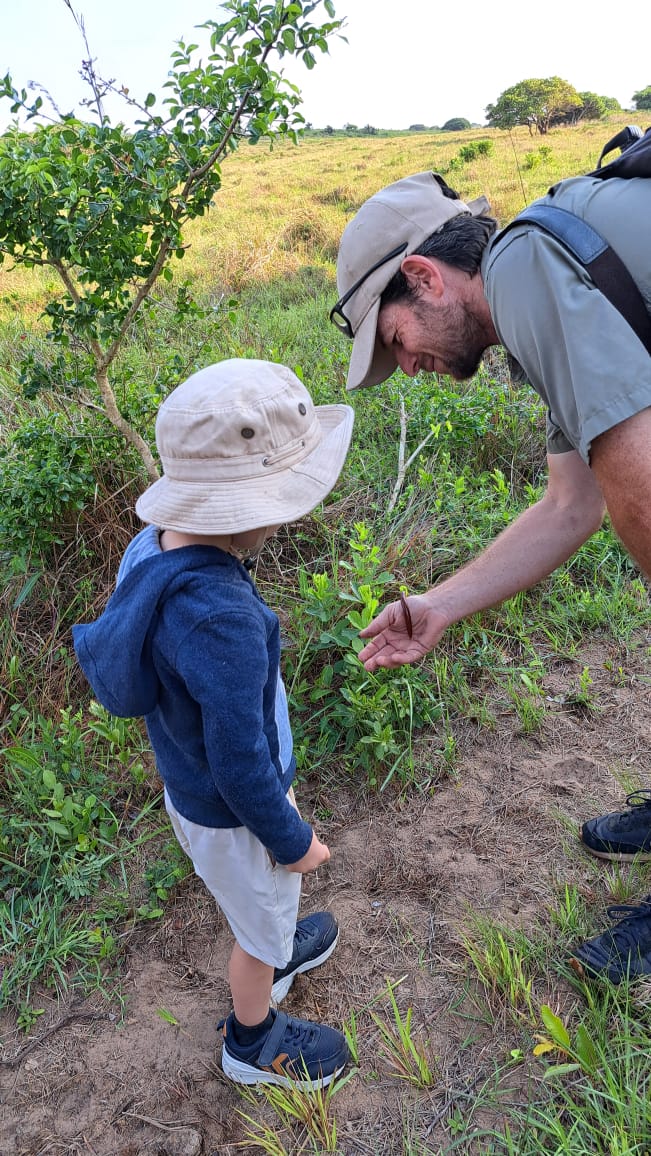
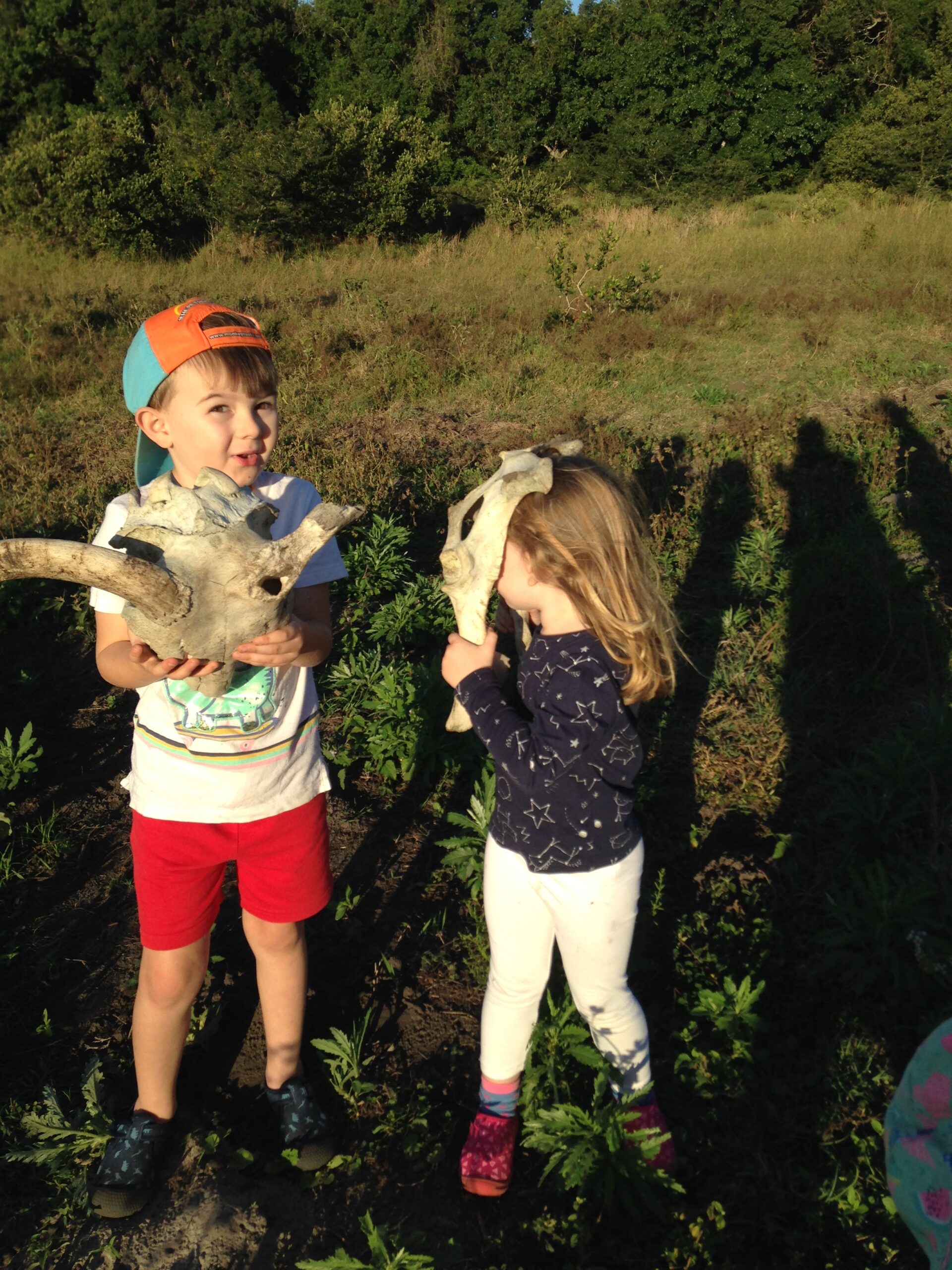
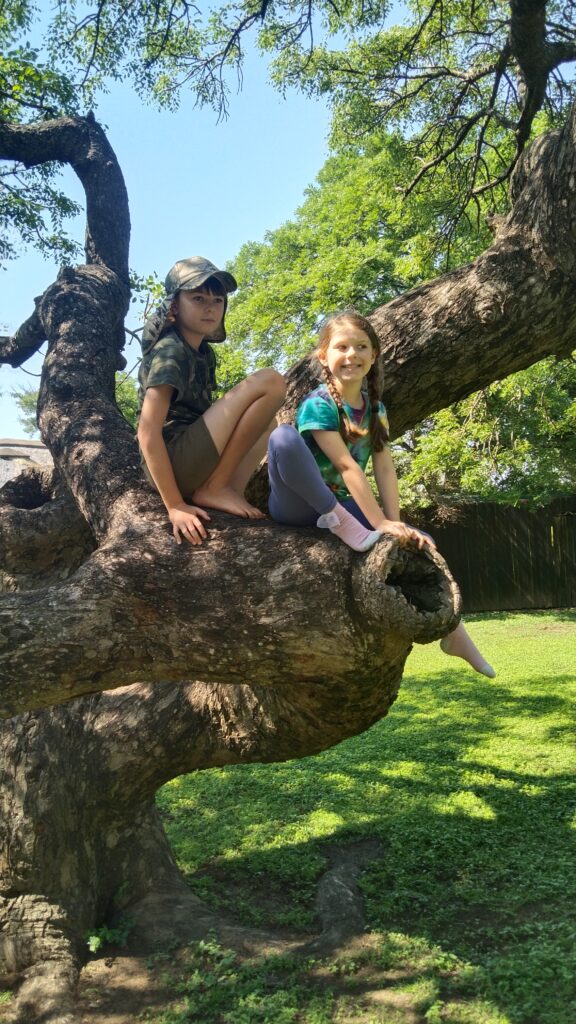
In eight years of visiting families as a health visitor I noticed something that no parenting manual ever quite captured. The children who seemed most settled, most curious, most resilient were almost always the ones who spent regular time outside — not in organised activities or structured classes, but simply outside. Digging, looking, noticing.
The evidence behind screen free nature activities for kids is, furthermore, consistent and compelling. Children who spend regular unstructured time in nature develop stronger attention spans, lower anxiety levels, greater emotional regulation, and a more embedded sense of environmental responsibility. In other words, nature does not just entertain children — it builds them.
What is less often discussed, however, is what this does for parents. Because here is the truth that most parenting content glosses over: the guilt of modern parenthood is relentless. The feeling that you are not doing enough, not present enough, not patient enough — that the school run and the work deadlines and the dinner and the laundry are winning and your children are getting the leftover version of you — is one that most parents carry quietly.
A walk in the bush does not fix that, but it helps considerably. So when I suggest a game drive or a nature walk, it is partly because I know it is good for my children’s development — and partly because it is one of the few situations where I feel like the parent I want to be. We are side by side, looking at the same things. The conversation happens naturally because there is something to talk about, and nobody is performing or scrolling. We are simply together in the same place at the same time, and that is enough.
That is not a small thing.
Screen Free Nature Activities for Kids — The Honest Version
We are not a screen-free family. I want to be clear about that because I have no interest in setting an impossible standard. We use screens — some days a lot, others not so much.
Screens exist in our house and they serve a purpose. Crucially, however — and this is the part I want you to hold onto — in our family, screen time and nature time do not compete with each other. Instead, they feed each other.
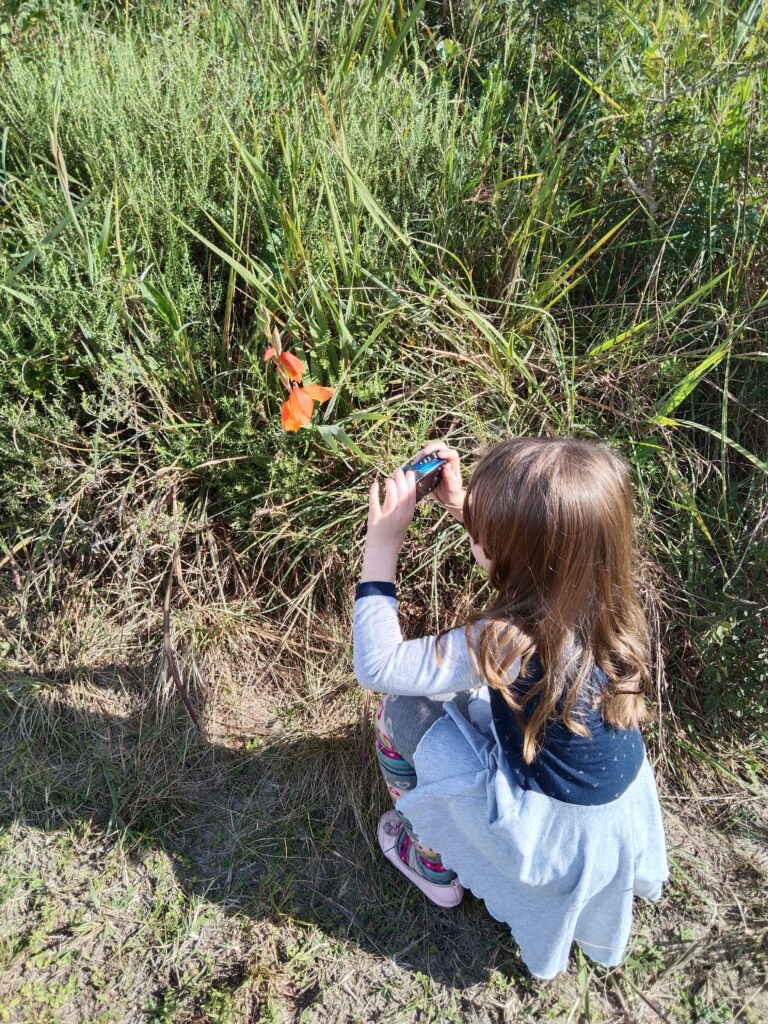
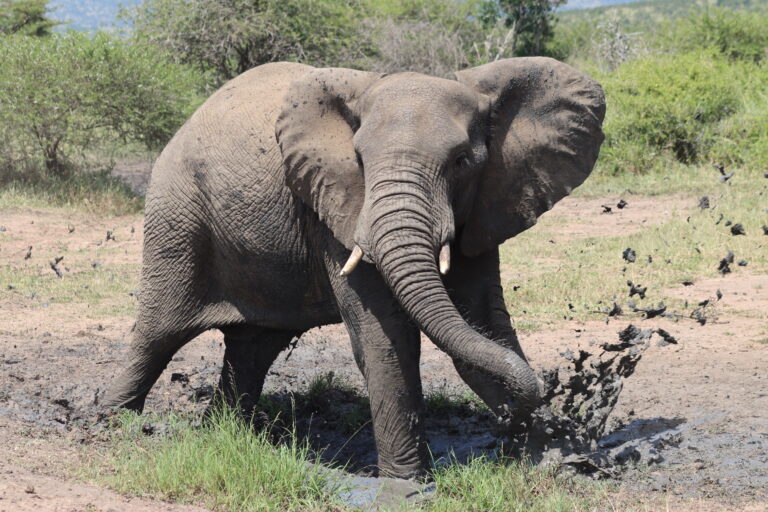
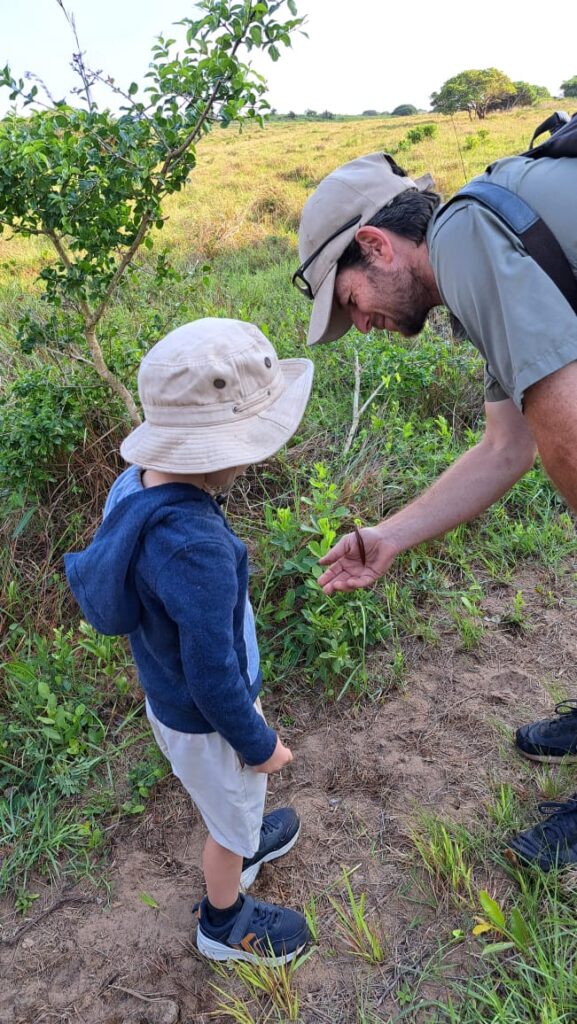
My children photograph a beetle on a walk and consequently spend twenty minutes on iNaturalist that evening finding out exactly what species it is. They watch a David Attenborough documentary and therefore spend the next game drive looking for what they saw on screen. They find a bird they cannot identify in the Sasol guide and look it up on YouTube to hear its call. As a result, the screens are in service of the natural world — they deepen the experience rather than replace it.
This is, I think, the reframe that most of the going analog conversation misses. It is not screens versus nature — rather, it is screens in service of nature. In other words, digital time that supports and extends the analog time. Research that follows wonder rather than replacing it.
On game drives, moreover, this happens almost automatically. There is usually no wifi signal, which removes the decision entirely. My children make a fort in the boot of the vehicle with blankets and books and toys, and they entertain themselves between sightings in a way that would be impossible to engineer at home. The bush creates the conditions. We simply show up.
Screen Free Nature Activities for Kids Work Anywhere
I live on the edge of the iSimangaliso Wetland Park. I am aware, however, that this is not most people’s reality, and I never want this platform to feel like it is only for families who have access to wild places.
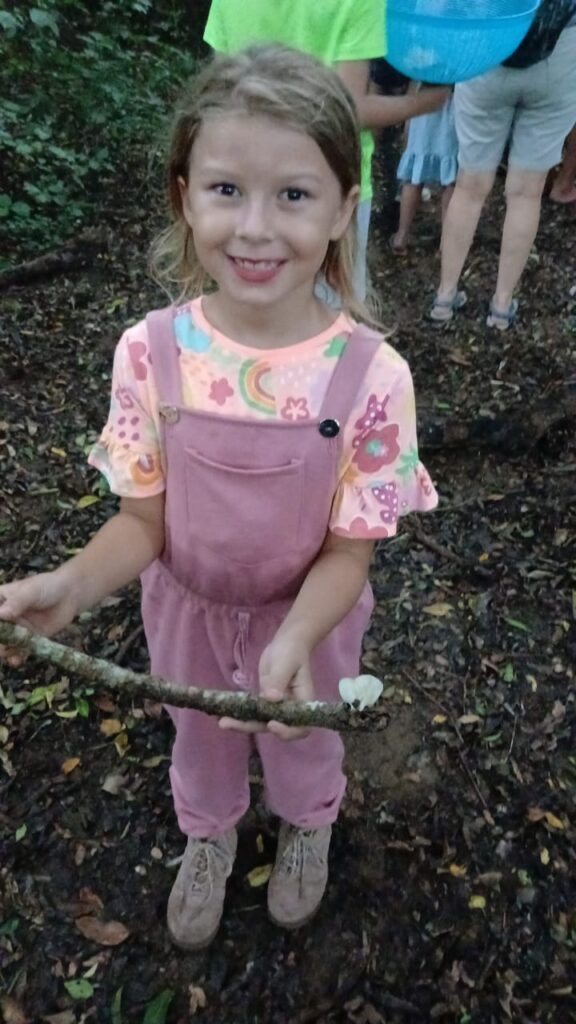
The good news about screen free nature activities for kids is that they scale to wherever you are — because nature, real, living, extraordinary nature, is available in far more places than most parents realise.
In our house, nature is woven into the small moments as well as the big ones. We play cards with bird identification packs and animal pairs. We have a snakes and ladders set with a wildlife theme. These tiny things — a five minute game before dinner, a pack of cards in a bag — keep the natural world present in everyday family life in a way that costs nothing and requires no planning whatsoever.
Some other ideas for wherever you are:
In a garden or small outdoor space — set a challenge to find and photograph ten different living things before breakfast. Insects under logs, spiders in corners, birds on the fence. You will be surprised what is there.
In a suburban park — download iNaturalist before you leave home and let your child be the photographer, then upload everything you find together. Look at what others in your city are finding.
Near any body of water — wetlands, streams, dams and rivers are biodiversity hotspots. Even a drainage ditch holds surprises. Frogs and dragonflies are, furthermore, among the most satisfying finds for children.
On the school run — trees along pavements, weeds in cracks, hadedas, pigeons, starlings. All of these are valid observations and all of them count.
At home, on a rainy afternoon — nature-themed card games, a wildlife puzzle, a documentary followed by a conversation about what you would do if you found that animal in your garden. Nature does not stop at the front door.
The goal is not perfection — it is attention. Specifically, repeated, regular, low-stakes attention to the living world and the habit of turning toward it rather than away from it when there is nothing else to do.
Why I Keep Coming Back to Nature as My Reset Button
I do not take my children on game drives because I am a perfect parent. I take them because something shifts out there that does not shift anywhere else.
My children stop competing for my attention and instead start sharing it with the bush. The questions come naturally and the silence is comfortable. The fort in the boot of the game vehicle — blankets and wildlife books and three small people making a world of their own between sightings — is consequently one of my favourite images of my own family. Not because it is picturesque, although it is, but because it is them, exactly as they are, doing exactly what children are supposed to do.
Going analog does not have to be a philosophy or a movement or a parenting style. It can simply be a decision you make on a Tuesday morning to go outside before the screens come on. A pack of bird cards on the kitchen table. Taking a walk where you let your child set the pace and photograph everything that moves. It can be small. Most importantly, it just has to be regular.
Bring the Wild World Into Your Everyday
If you want to make nature a daily habit for your family – not just on special mornings but in the ordinary in-between moments – then grab our free Safari Animal Mini Pack, it is a good place to start. Six pages of wild learning, designed for curious children, straight to your inbox.
[GET YOUR FREE SAFARI ANIMAL MINI PACK]
And for families who want to go deeper – our Safari Animal Fact Card Set brings ten beautifully illustrated African animals into your home, your kitchen table, your car journeys and your nature journals.
[SHOP THE SAFARI ANIMAL FACT CARD SET]
A Final Note
The going analog movement is not anti-technology. It is pro-childhood. It is a quiet insistence that children deserve unstructured time, natural spaces, and the particular kind of boredom that leads somewhere interesting.
You do not have to live in the bush to give your children that. You just have to decide, regularly and without guilt, to turn toward the living world together. If you want to know our go to wildlife books, both factual and fiction, take a read of our blog on our family favourites – The Best African Wildlife Books for Children.
The bush – or the garden, or the park, or the pavement with the weeds growing through it – will do the rest.
Let Africa teach your children what the world is made of.
Written by Katie Wormald – paediatric nurse, health visitor, mother of three and founder of Kate on Safari. Katie lives in KwaZulu-Natal, South Africa on the edge of iSimangaliso Wetland Park.