Screen Time vs. Green Time: How Gamifying Outdoor Play Stops the After-School Battles
It is 4:00 PM on a Tuesday. The school day is done, and the inevitable battle between screen time vs green time begins. You want your children to step away from glowing tablets…, unplug from the endless scrolling, and head outside for some fresh air. But when you say, “Go play outside,” you are met with sighs, complaints, or total resistance.
Sound familiar?
If you feel like the after-school screen time battle is a daily drain on your energy, you are not alone. In a world built around instant digital feedback, telling a child to simply “go outside” can feel like sending them into a void. To a mind accustomed to points, levels, and digital rewards, unstructured outdoor time can initially feel unengaging—not because nature isn’t exciting, but because kids haven’t been given a clear starting point.
The secret to ending the afternoon screen struggle isn’t stricter rules or endless bargaining. It comes down to gamifying outdoor play – turning 15 minutes of backyard exploration into a purposeful, interactive micro-mission.
Why “Go Outside and Play” Rarely Works
When children spend hours in front of screens, their brains receive constant cues: What is the next goal? How do I get to the next level? What badge do I unlock next?
When we tell them to “just go play outside,” we are asking them to make a massive mental pivot from a structured, highly responsive environment to a completely open-ended one. Without a gentle transition or a spark of inspiration, children often feel overwhelmed or bored within minutes.
To bridge the gap between digital entertainment and real-world discovery, we don’t need to turn nature into a high-tech video game. Instead, we simply need to introduce a framework for exploration:
- A Clear Mission: Giving them a simple, bite-sized goal (e.g., “Find three different leaf shapes before dinner”).
- A Sense of Progression: Tracking their progress so they can see their outdoor habits build up over time.
- Low-Pressure Success: Making every discovery feel like an achievement, whether they are exploring a vast nature reserve or a small patch of grass.
What Is Screen Time vs Green Time? (And Why Track It?)
We hear a lot about managing screen time, but focusing purely on reduction can feel negative and restrictive. Shifting the focus to Green Time changes the entire family dynamic.
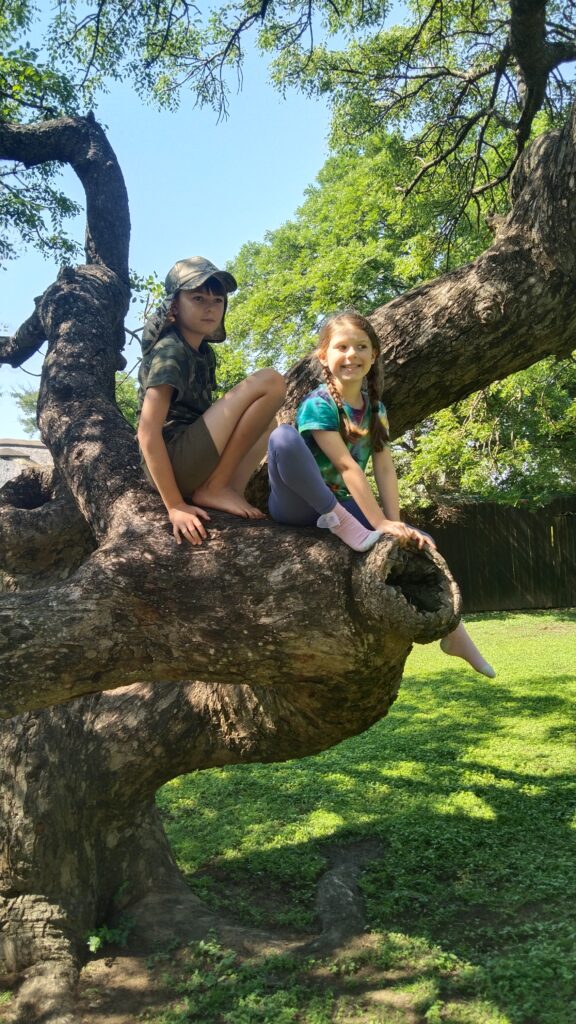
Green Time is any period spent outdoors interacting with the natural world—whether that is climbing a tree, watching pollinators in a garden, making mud pies, or going on a quick neighborhood walk.
By tracking Green Time alongside screen time, children begin to view outdoor play as a positive goal to reach rather than a chore to finish. Seeing their outdoor hours add up builds a genuine sense of pride and ownership over their daily habits.
3 Simple Ways to Gamify Outdoor Play Today
You don’t need expensive equipment, detailed lesson plans, or trips to faraway wilderness areas to inspire your kids. Here are three simple ways to turn your backyard into a wild quest this afternoon:
1. Set Up 15-Minute Micro-Missions
Long outdoor trips aren’t always realistic on busy weekdays. Instead, break outdoor play into 15-minute “micro-missions.” Short, focused quests keep energy high and prevent burnout.
- Example: “Find one plant growing in full sun, one in full shade, and see if you can spot an insect visiting either one!”
2. Introduce the “Ranger” Role
Children love imaginative roleplay. Frame their outdoor time around becoming a field researcher or a Nature Ranger.Give them an old pair of binoculars, a magnifying glass, or a small notebook, and assign them a specific habitat to survey.
3. Log Their Progress Visually
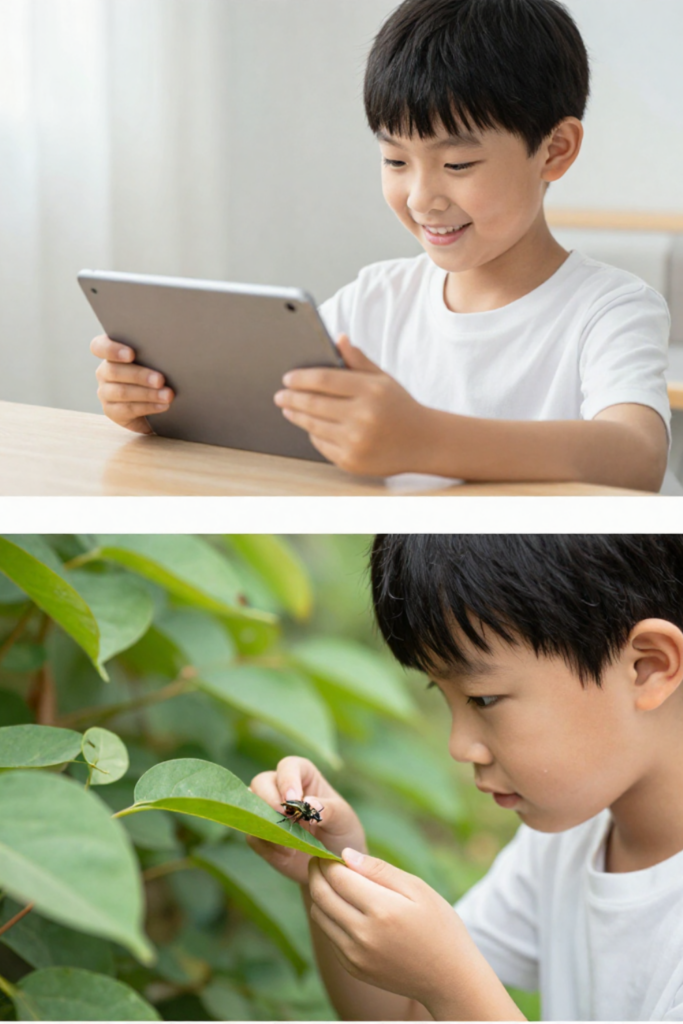
Whether it’s a printable tracker on the fridge or an interactive app, let your kids record their outdoor time immediately after coming inside. Marking down their completed quest or adding 15 minutes to their weekly Green Time goal provides the same satisfying dopamine boost as completing a video game level.
Turn Your Kids into Pollinator Rangers (Free Access!)
To help you put this into practice today without adding anything extra to your to-do list, we are offering the brand-new, interactive first module free inside the Wild Explorer Club: the Pollinator Ranger Module!
Designed specifically for busy families, it gives your children quick, location-agnostic nature quests they can do right in your backyard or local park – along with an easy way to log their daily Green Time.
Zero prep work. Zero stress. Just simple, hands-on outdoor play your kids will actually look forward to every afternoon.
If you want to get involved in more organised nature initiatives in your area, take a look at my blog about the city nature challenge and how to get involved.
Happy exploring!
Katie Wormald is a paediatric nurse, nature educator and co-founder of The Little Bush Baby Company, a conservation-focused safari experience based in St Lucia, iSimangaliso Wetland Park. Kate on Safari is her platform for bringing wildlife and wild wisdom into family life – wherever in the world you are.